How To Choose The Right Time Of Year To Prune Trees In Rockhampton

Barlows Tree Services • December 4, 2025

Pruning a tree at the wrong time of year can lead to stress, disease, or unwanted growth, but choosing the right moment can completely transform its health and structure. For many homeowners and property managers, the challenge isn’t knowing why pruning is important, it’s understanding when pruning should take place, especially in a climate as unique as Rockhampton’s. With heat, humidity, summer storms, and cyclone season shaping how trees behave, timing truly matters. Working with professionals who understand local conditions makes all the difference, and that’s where expert tree services providers in Rockhampton often step in.

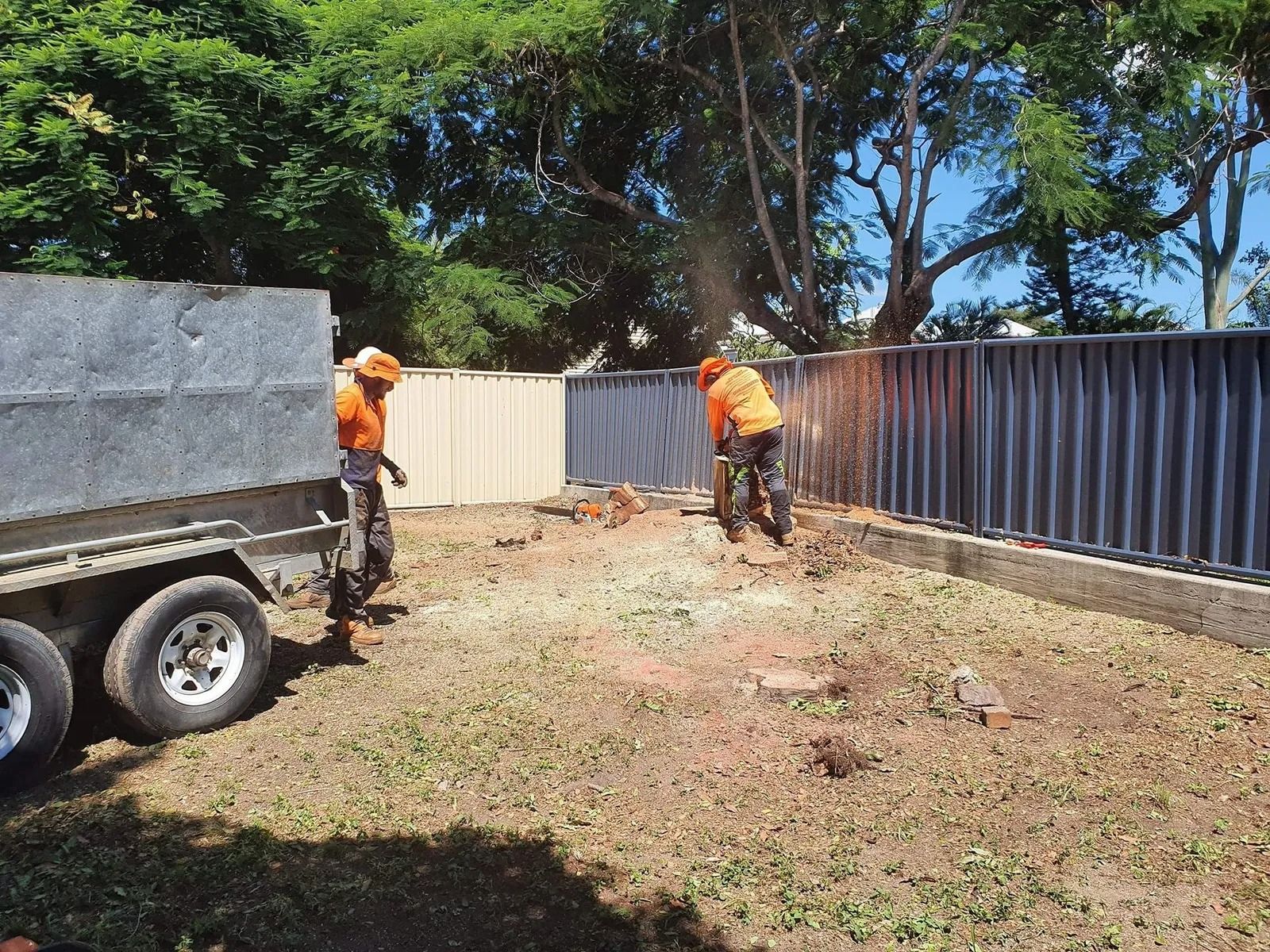
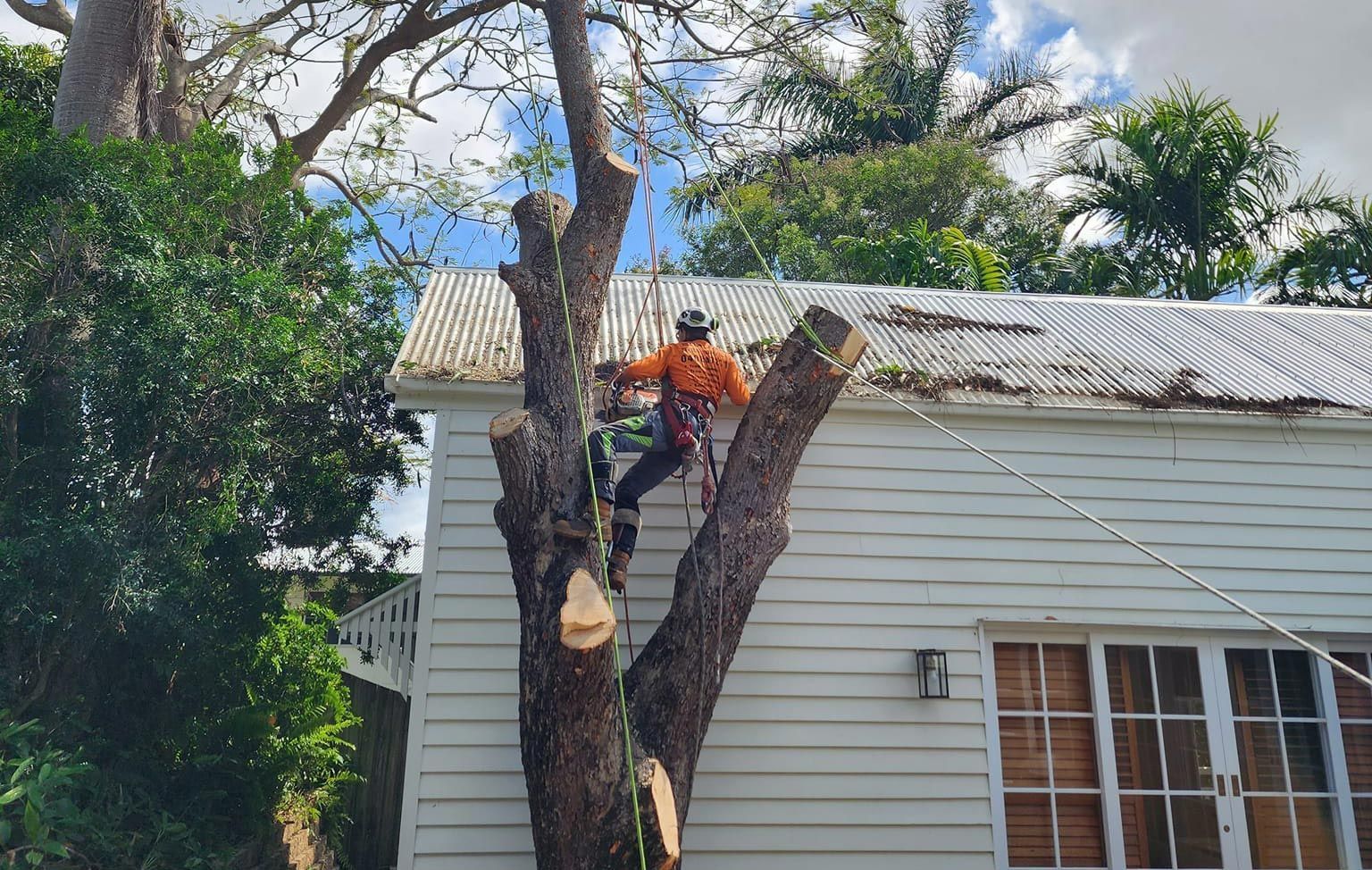
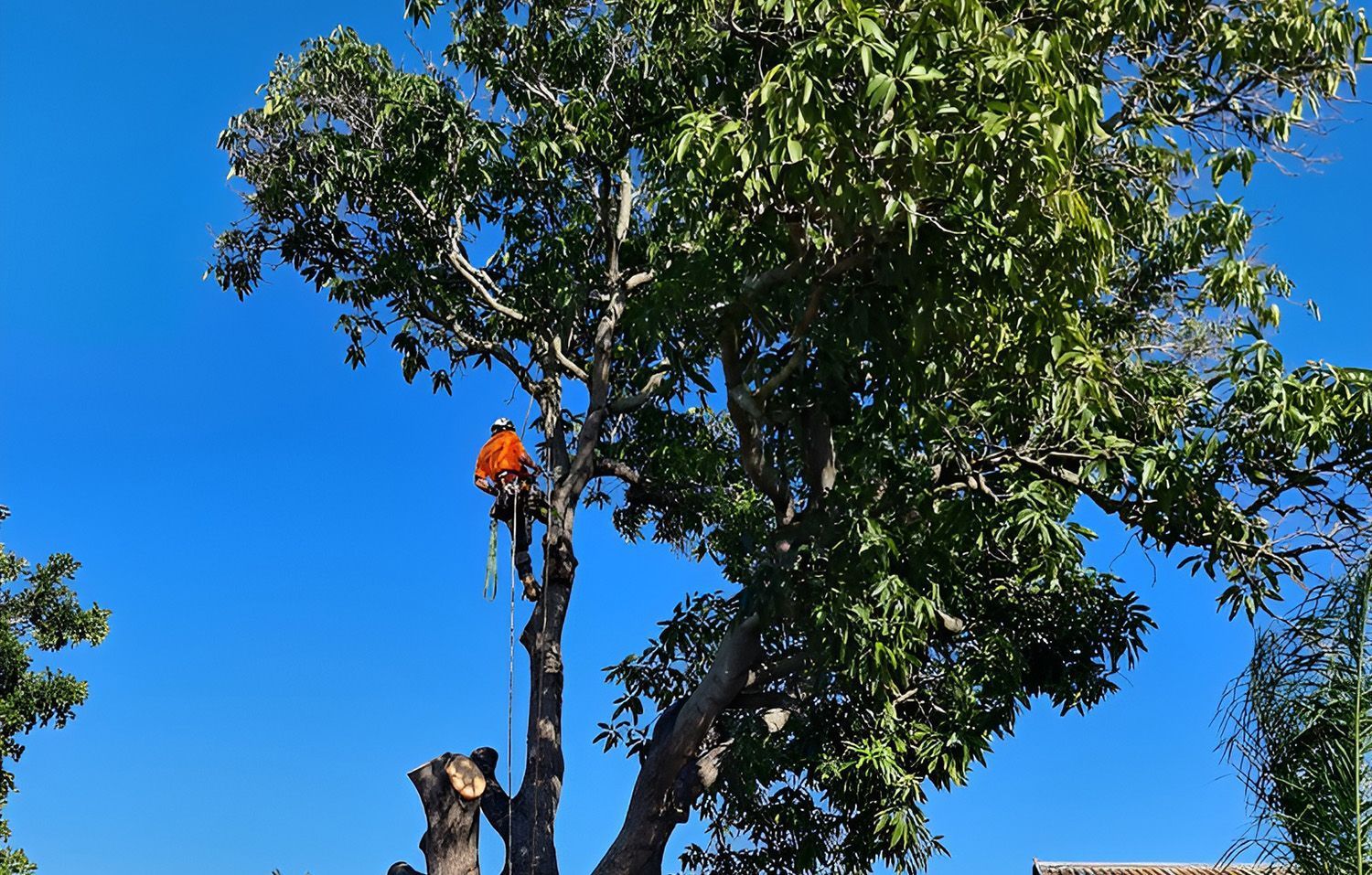
Arborist in Orange Safety Gear Trimming a Large Tree

Understanding Tree Growth Cycles Before Booking a Pruning Service

The timing of a pruning job often comes down to how well you understand a tree’s growth cycle. Every tree moves through predictable stages throughout the year, and pruning at the wrong moment can interrupt growth or expose the tree to unnecessary stress. When engaging teams for tree services in Rockhampton, one of the first things they consider is the current growth stage and how pruning may influence future development.


Tree health and structure often determine the best moment to prune, but the natural cycle is just as important. Knowing whether a tree is recovering, actively growing, or entering dormancy helps define the ideal timing for targeted pruning work.


Common growth phases include:


  • Dormant periods where the tree focuses on internal energy storage.
  • Active growth seasons where new limbs and leaves develop.
  • Recovery windows following storms, high heat, or previous pruning.

Why Late Autumn and Winter Create Ideal Conditions for Professional Pruning

Cooler months often present the best opportunity for pruning, especially when the goal is long-term health. During late autumn and winter, many tree species naturally slow their growth. This period makes it easier for tree service professionals to create clean cuts that heal efficiently without attracting pests.


Rockhampton’s climate can place pressure on trees during hot seasons, so pruning during the cooler months helps reduce stress. These conditions also limit the spread of sap, disease, and insect activity, all of which support healthier regrowth once the weather warms.


Benefits of autumn and winter pruning include:


  • Reduced sap flow and lower risk of disease transfer.
  • Minimal insect activity around fresh pruning cuts.
  • Cleaner shaping and structural adjustments.

Tackling Storm Preparation: The Role of Seasonal Pruning Ahead of Severe Weather

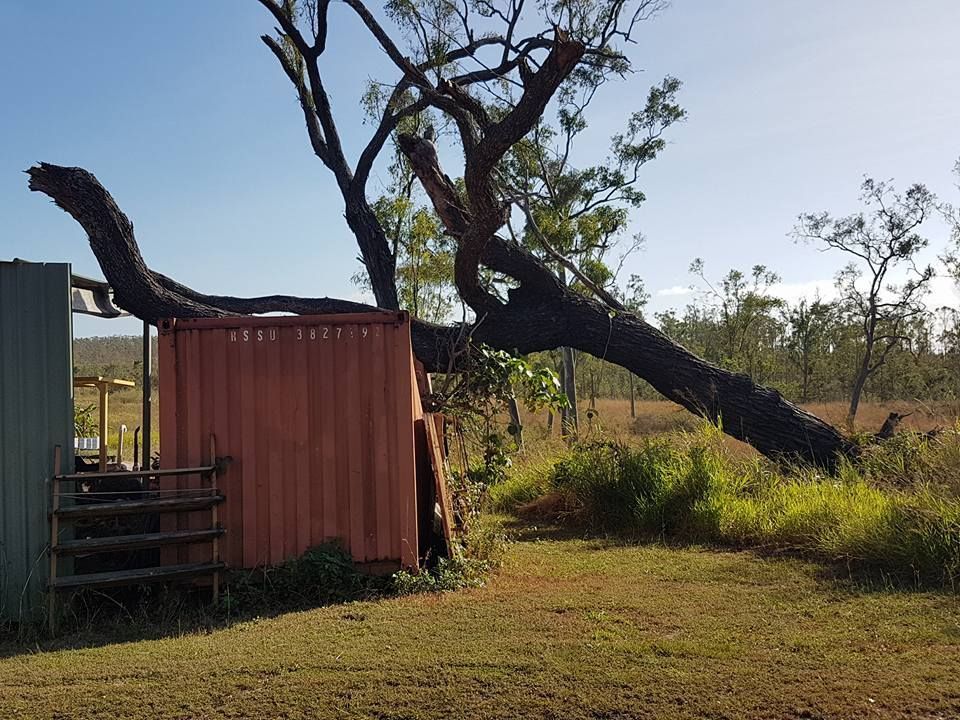
In regions affected by summer storms and seasonal winds, preparing trees ahead of severe weather is essential. Seasonal pruning helps remove weak, overextended, or poorly supported branches that pose a greater risk when storms arrive. Many tree service providers in Rockhampton take a preventative approach, assessing branch load, canopy spread, and overall condition to minimise hazards.


Preparing trees before storm activity peaks can prevent property damage, reduce the likelihood of falling limbs, and help trees withstand high winds. Structured pruning is one of the most effective ways to support long-term safety.


Storm-readiness pruning focuses on:


  • Identifying vulnerable limbs with poor anchoring.
  • Removing overextended branches that catch excess wind.
  • Creating a balanced canopy that disperses wind load more evenly.

How Professional Arborists Assess Tree Health Before Recommending Timing

Before recommending when to prune, arborists evaluate the overall health and structural integrity of each tree. This inspection helps determine whether pruning is urgent or if it can be timed with seasonal advantages. Through professional assessment, tree service teams in Rockhampton can pinpoint early signs of decline or overgrowth that would otherwise go unnoticed.


These assessments prevent unnecessary removal, guide pruning priorities, and ensure trees are strong enough to handle the process. Health checks are especially valuable for older trees or those affected by past storms.


Health assessments often involve:


  • Checking canopy density for overcrowding or lack of light penetration.
  • Inspecting limbs for decay, cracking, or pest-related damage.
  • Reviewing trunk structure and root stability.

Pruning for Shape, Structure, and Safety During Key Seasonal Windows

Pruning isn’t just about removing unwanted branches, it’s also about shaping the tree for long-term safety and growth. During optimal seasonal windows, tree service providers focus on refining the canopy so it grows in a balanced, stable structure.


Well-timed pruning supports airflow, reduces unnecessary weight, and helps prevent branches from becoming hazards. These seasonal adjustments also help trees direct their energy into healthier, more productive growth.


Seasonal pruning goals often include:


  • Reducing overhang that interferes with buildings or pathways.
  • Improving airflow to reduce moisture-related issues.
  • Strengthening the framework to support future growth.

Species-Specific Timing: Why Different Trees Require Different Seasonal Approaches

Not all trees respond the same way to pruning, and timing differences can be significant. Certain flowering species need pruning immediately after bloom, while others rely on winter shaping to protect budding growth. Understanding these variations is a core part of tree service practices, ensuring the timing aligns with the biological needs of each species.


When pruning doesn’t match a tree’s natural cycle, results can include reduced flowering, stunted growth, or increased susceptibility to pests. Tailored timing supports healthier outcomes for all tree types across a property.


Species-specific timing examples include:


  • Flowering trees that require post-bloom shaping.
  • Hardwoods that benefit from winter structural pruning.
  • Fast-growing species that may need more frequent corrections.

Avoiding Heat Stress: Why Summer Pruning Should Be Minimal and Strategic

Rockhampton’s climate can be extremely demanding during peak summer months, making it a risky time for unnecessary pruning. Trees are more vulnerable to heat stress, sunscald, and rapid moisture loss during this period. That’s why most tree service professionals limit summer pruning to essential work only.


Strategic summer pruning focuses on small corrective actions, not large branch removal. This helps protect the tree’s health during the hottest part of the year while still addressing minor issues that cannot wait until cooler weather.


Summer pruning risks include:


  • Increased likelihood of dehydration and stress.
  • Sunscald on newly exposed branches.
  • Reduced resilience during heatwaves.

When to Call a Tree Professional for Seasonal Pruning Advice

Knowing the perfect pruning window isn’t always straightforward, especially with variations in species, age, and environmental conditions. Homeowners often turn to professionals when they face uncertainty about timing or when safety concerns arise.


Large trees, storm-affected branches, and complicated canopy structures may require specialised equipment and expertise. Seeking advice ensures pruning occurs at the right moment and supports the long-term wellbeing of the trees on your property.


Situations where expert help is recommended:


  • Overgrown branches impacting buildings, fences, or driveways.
  • Visible signs of pests, disease, or declining structure.
  • Recent storm damage requiring prompt attention.


We at Barlows Tree Services understand how Rockhampton’s climate, storm patterns, and seasonal challenges influence the health and safety of your trees. If you want help choosing the right pruning window or need professional advice tailored to local conditions, our team is here to support you. Visit https://www.barlowstreeservices.com/ to get in touch and organise a thorough assessment or book your next pruning service.