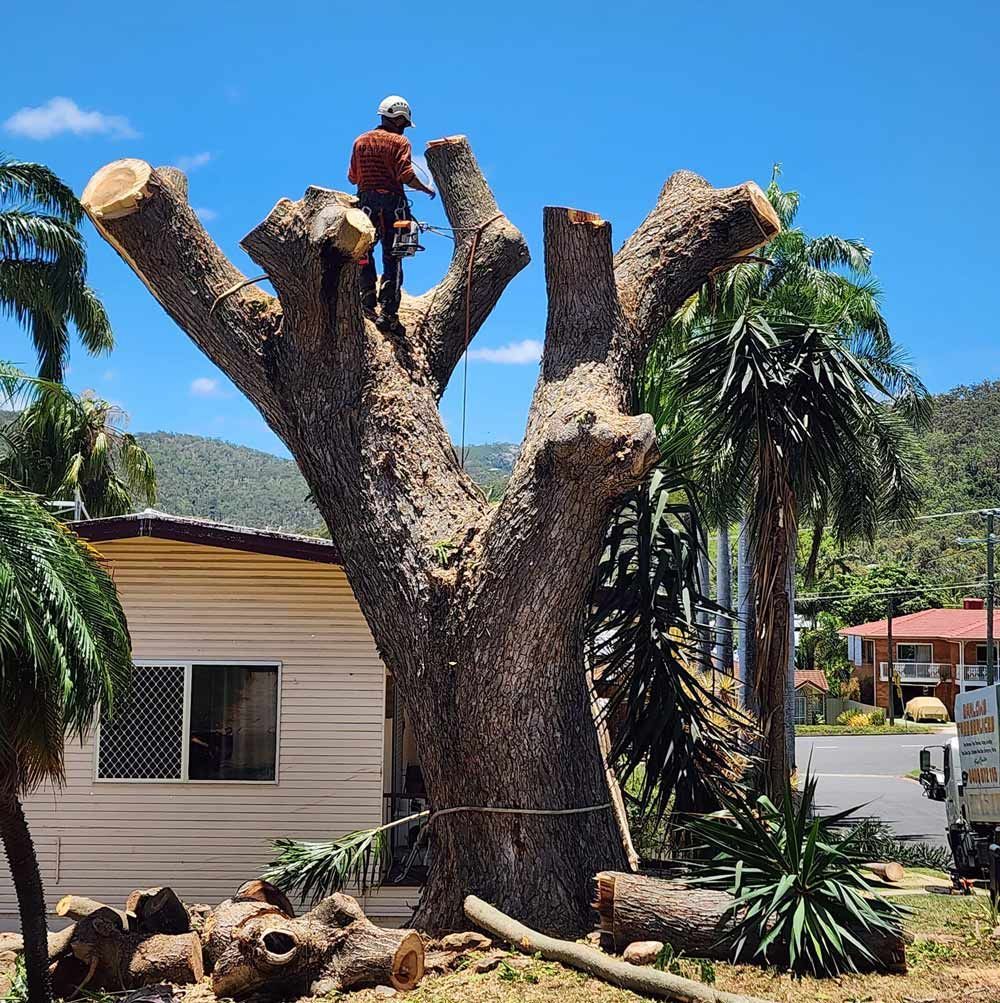
What’s The Difference Between Tree Pruning, Trimming, Lopping, And Removal — And Which Is Right For Your Rockhampton Property?

Barlows Tree Services • December 26, 2025

Trees across residential and commercial properties often appear sturdy, self-sufficient and low maintenance, but anyone who has lived through Rockhampton’s summer storms, cyclone season, or strong seasonal growth knows that trees need the right kind of care. Many property owners hear terms like pruning, trimming, lopping and removal, but aren’t always sure what they actually mean. Each technique has a very different purpose, and choosing the wrong one can have major consequences for the health and safety of your trees.


Understanding how each service works helps you protect your property, reduce risks before storm season and maintain safer, healthier trees all year round. Whether you manage a large rural block or a small business frontage, knowing which option to choose is essential when arranging tree services in Rockhampton.

1. Pruning for Tree Health: The Targeted Cuts That Shape Stronger Growth

Pruning is one of the most important tree maintenance services because it focuses on long-term health rather than appearance. Arborists use selective cuts to remove dead, diseased or structurally weak branches, helping the tree grow stronger and more evenly. In Rockhampton, where high humidity and storm winds can worsen structural weaknesses, targeted pruning can significantly reduce risks.


Arborists also prune to improve airflow, reduce weight on heavy limbs and prevent branches from rubbing or crossing. This service supports healthier growth and prepares trees for the region’s summer weather patterns.


Pruning is recommended when:


  • Branches show signs of disease or decay.
  • The canopy becomes too dense and restricts airflow.
  • There are branches growing inward or crossing over others.
  • A tree needs shaping to strengthen its structure over time.

2. Trimming for Appearance: When Your Tree Needs a Clean, Even Shape

Trimming focuses more on aesthetics than structural health. While pruning targets specific issues, trimming is ideal when a tree has grown unevenly or has become visually untidy. It involves removing light growth around the outer canopy to improve symmetry, shape and clearance.


In built-up areas, such as around pathways, driveways or business entrances, trimming maintains clear access and helps trees look well-kept. Overgrown branches can obstruct visibility, signage or access areas, making trimming a practical maintenance task.


Typical signs a tree needs trimming include:


  • Uneven or messy outer branches.
  • Growth interfering with footpaths or access areas.
  • Branches hanging too low over driveways.
  • Trees losing their natural shape due to rapid growth.

3. Lopping: Why This Outdated Practice Creates More Problems Than It Solves

Lopping is widely considered harmful and is not recognised as proper arboriculture. It involves cutting back large sections of a tree without regard for structural integrity or growth patterns. While some property owners request lopping as a quick way to reduce size, it typically creates unsafe regrowth and long-term instability.


Lopped trees often develop weak, fast-growing shoots that break easily during storms. The large wounds created also allow decay and pests to enter the tree, shortening its lifespan and increasing the likelihood of structural failure.


Negative outcomes of tree lopping include:


  • Rapid regrowth that becomes weak and hazardous.
  • High risk of branch failure during storms.
  • Increased decay caused by large, unprotected cuts.
  • Long-term structural instability and shortened tree life.

4. Strategic Canopy Reduction: The Professional Alternative to Lopping

Canopy reduction is the correct method when a tree genuinely needs its height or spread reduced. Unlike lopping, this technique involves careful planning and selective cuts that maintain branch strength and natural form. Arborists apply reduction methods to ensure the tree remains safe, balanced and capable of healing properly.


This service is especially useful in areas where trees grow too close to structures, powerlines or accessways. In Rockhampton’s storm-prone climate, canopy reduction also helps lower wind resistance and improve stability without compromising the tree’s health.


Property owners often request canopy reduction to:


  • Reduce overall size while maintaining natural shape.
  • Minimise storm damage risks.
  • Improve clearance around buildings.
  • Prevent branches from growing into overhead obstacles.

5. Hazard Identification: Spotting Structural Risks Before Storm Season

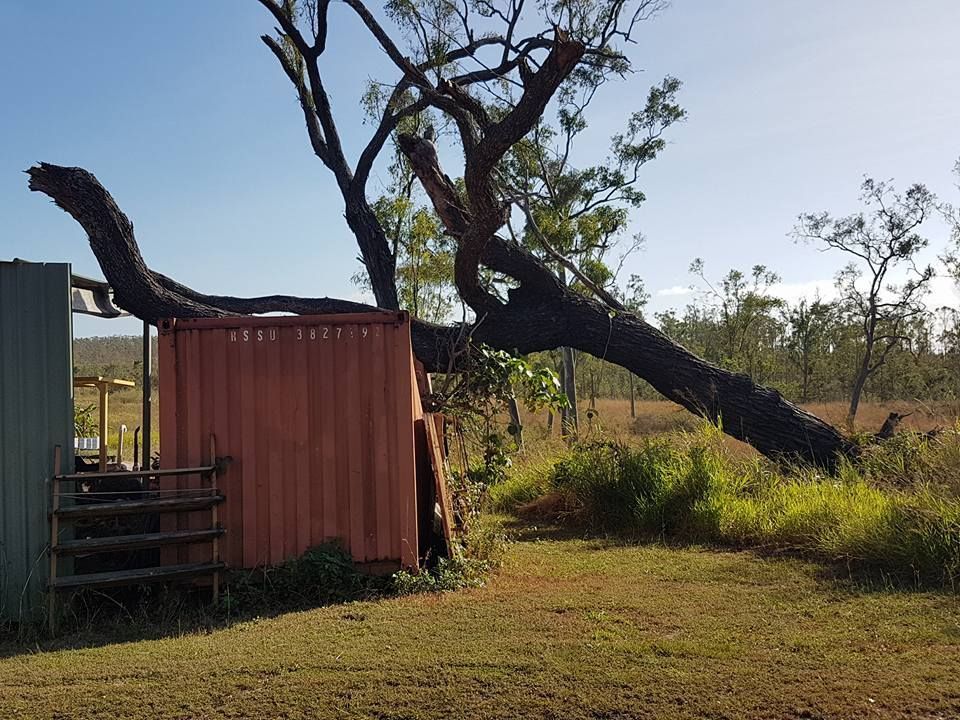
Trees in Rockhampton face intense conditions: heatwaves, sudden rainfall bursts, strong winds and occasional cyclonic weather. These conditions highlight existing structural problems, making hazard identification a crucial part of responsible tree ownership. Arborists inspect trees for weaknesses that may not be visible at a glance.


This includes assessing branch unions, internal decay, storm damage, insect activity and whether a tree has developed a lean. Because small defects can quickly become dangerous during summer storms, early identification helps prevent costly emergencies.


Common hazard signs include:


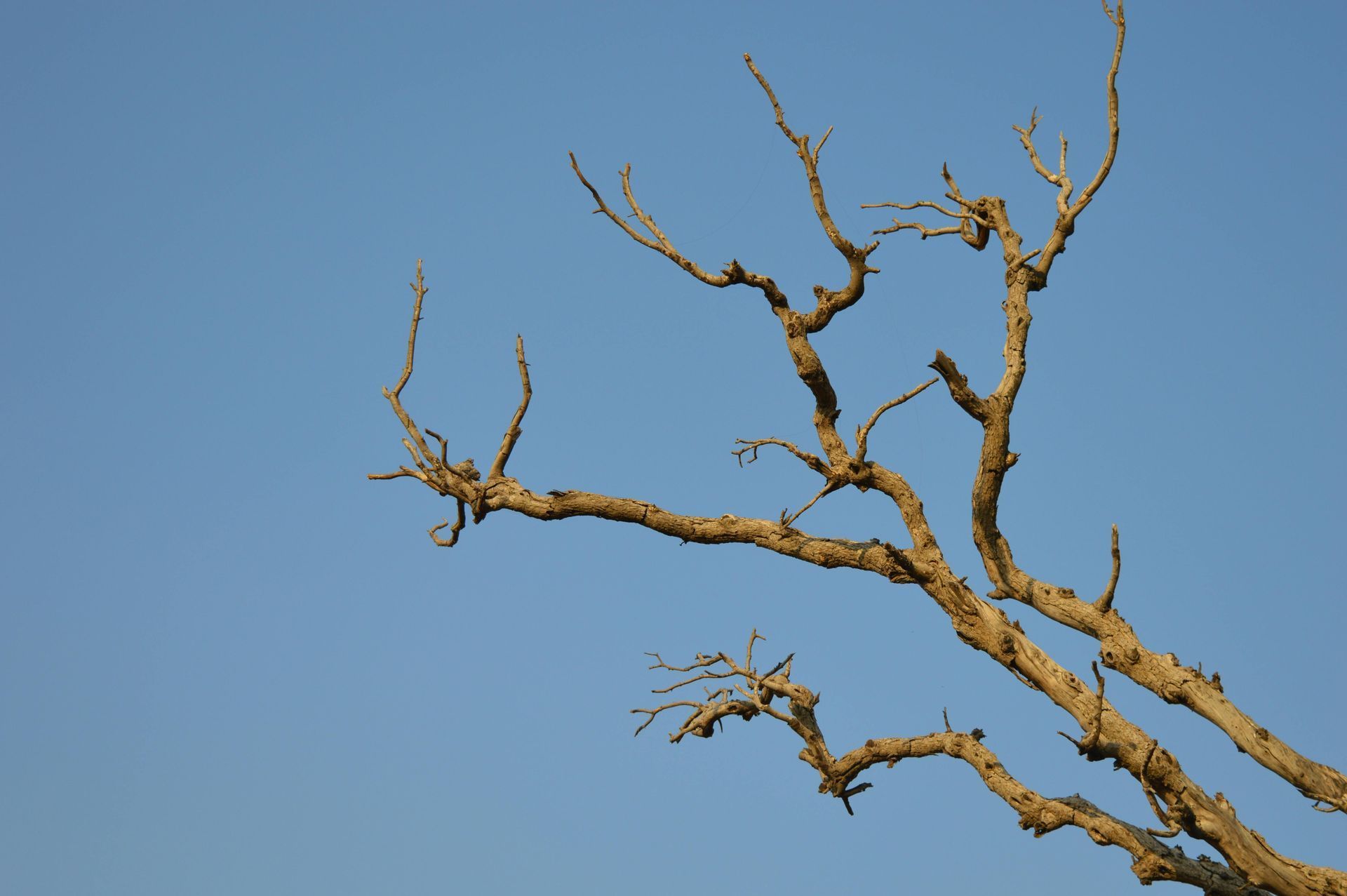
  • Dead or hanging branches.
  • Cracks or splits in major limbs.
  • A sudden change in lean or ground movement around roots.
  • Limbs close to roofs or outdoor structures.

6. When Full Tree Removal Becomes the Safest Choice for Your Property

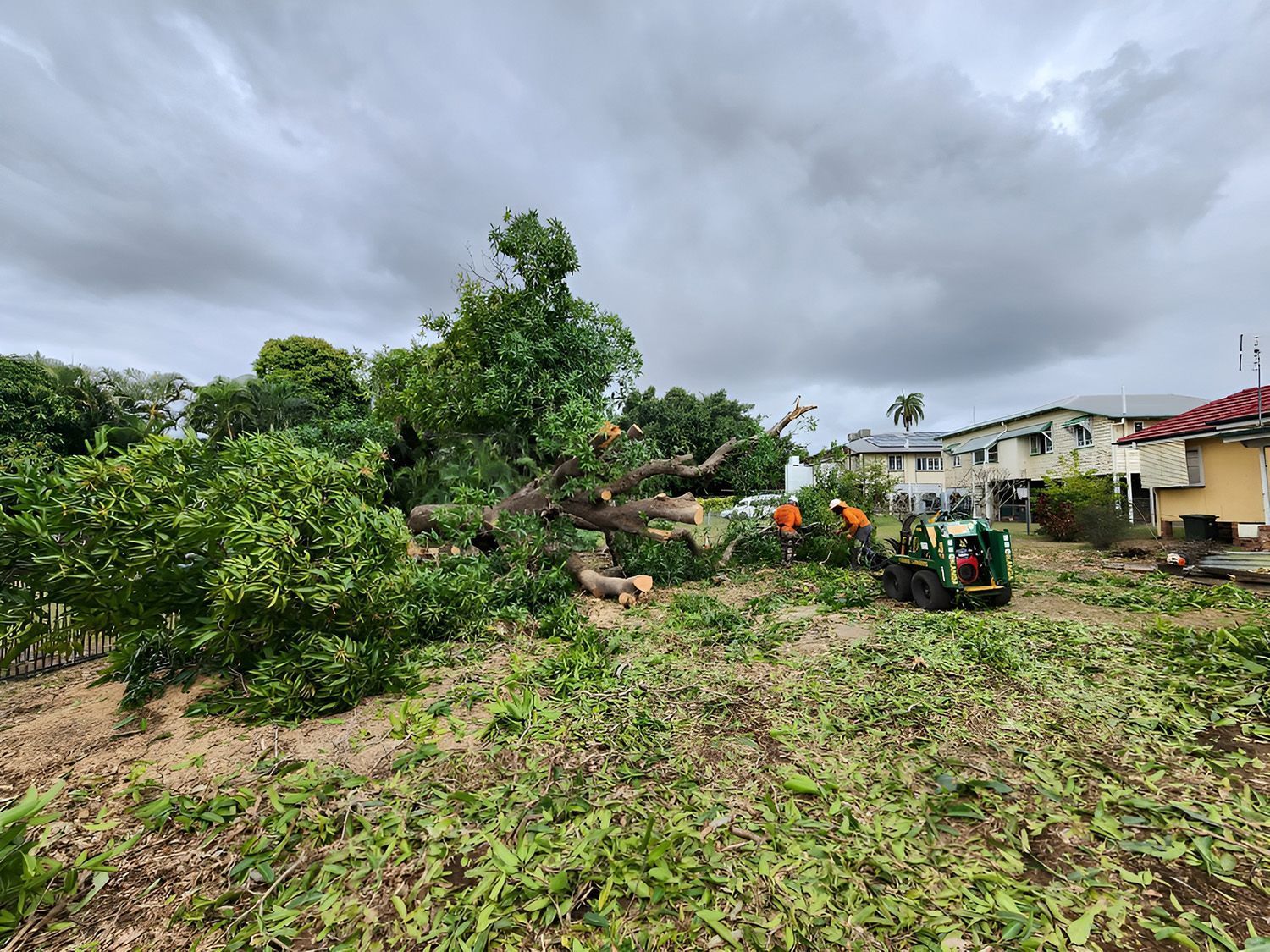
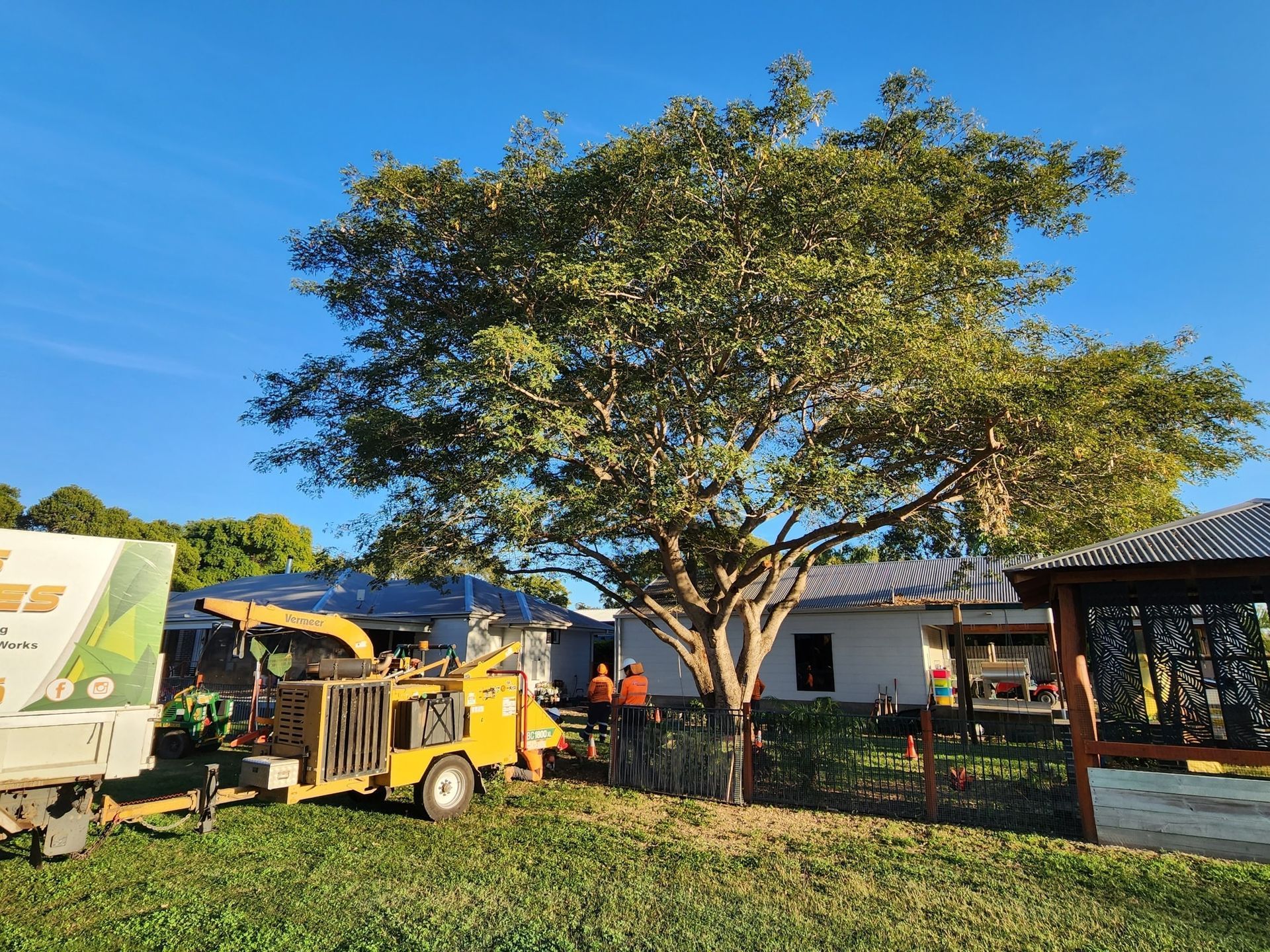
Although arborists aim to preserve trees wherever possible, there are times when removal is the only safe and sustainable option. This usually applies when a tree is structurally compromised, posing an immediate hazard, or growing in a location that causes unavoidable risk. Rockhampton properties with large, established trees can experience issues after storms, prolonged drought or termite damage.


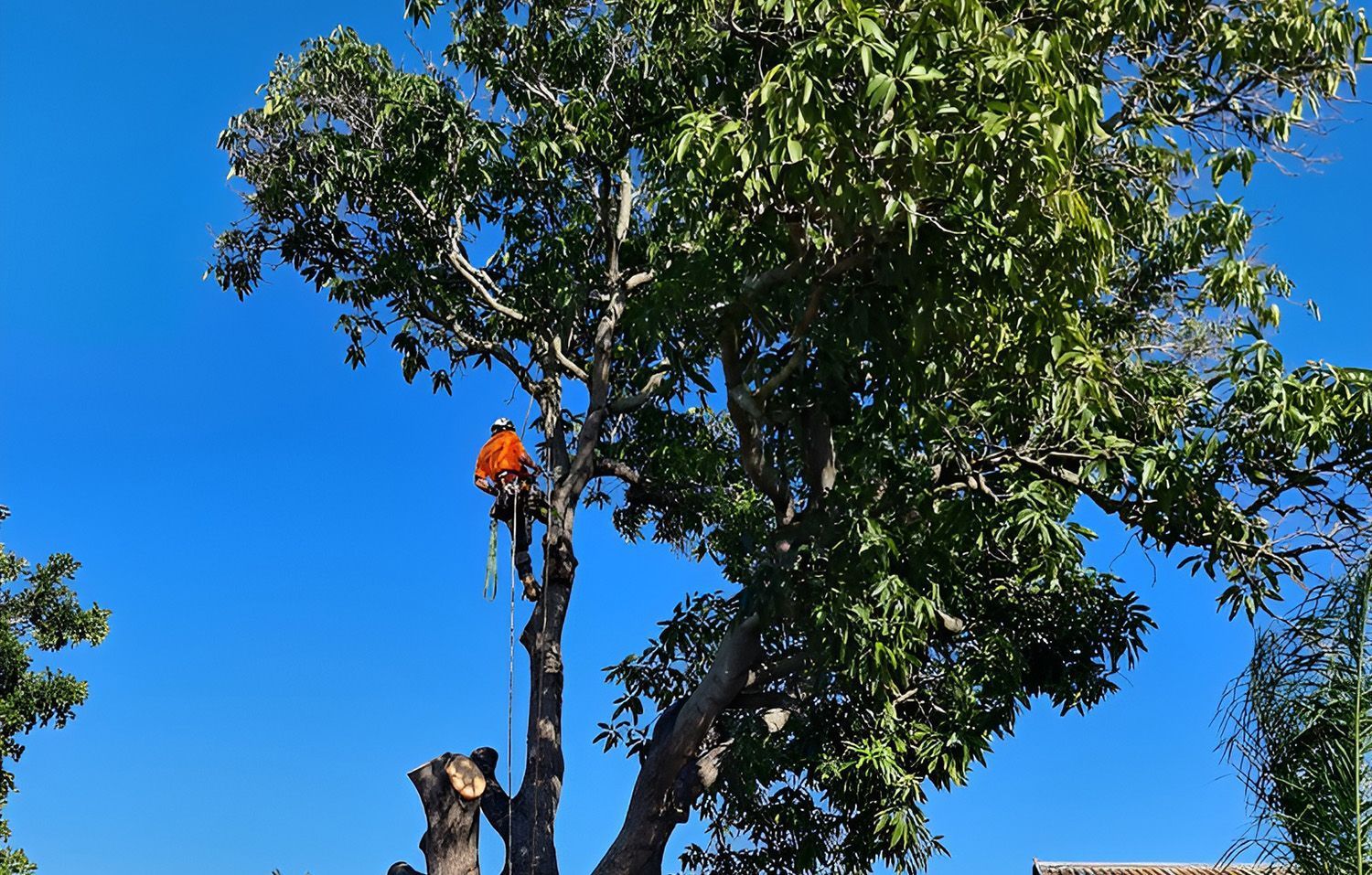
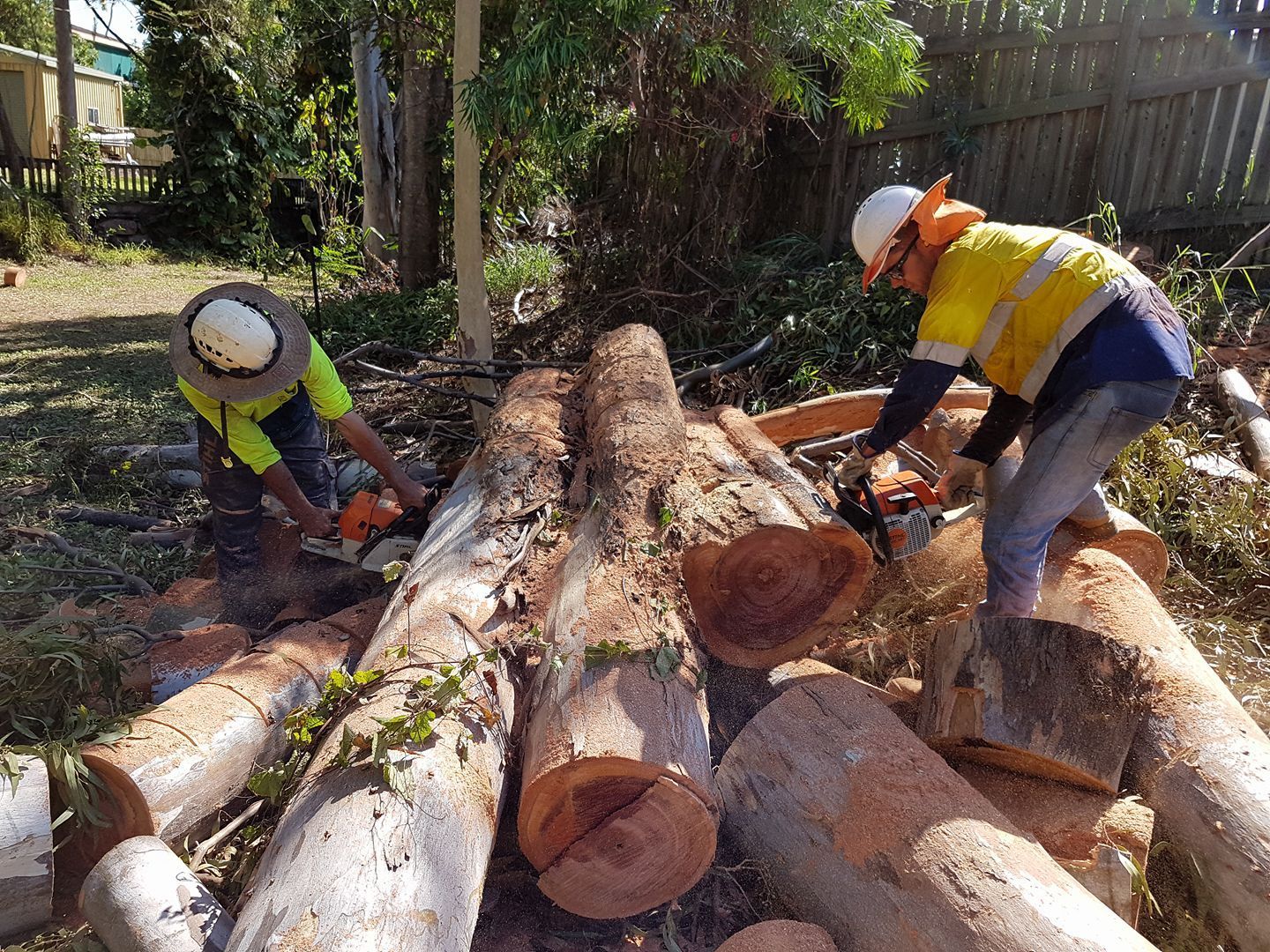
Removal is carried out with strict safety procedures to protect nearby structures, residents and workers. Arborists use specialised equipment to dismantle the tree in controlled sections.


Valid reasons for tree removal include:


  • Severe decay or structural failure.
  • Irreversible storm damage.
  • Root systems impacting foundations or underground services.
  • Trees that are dead or no longer viable.

7. Stump Grinding: The Final Step to Restore a Clear and Safe Space

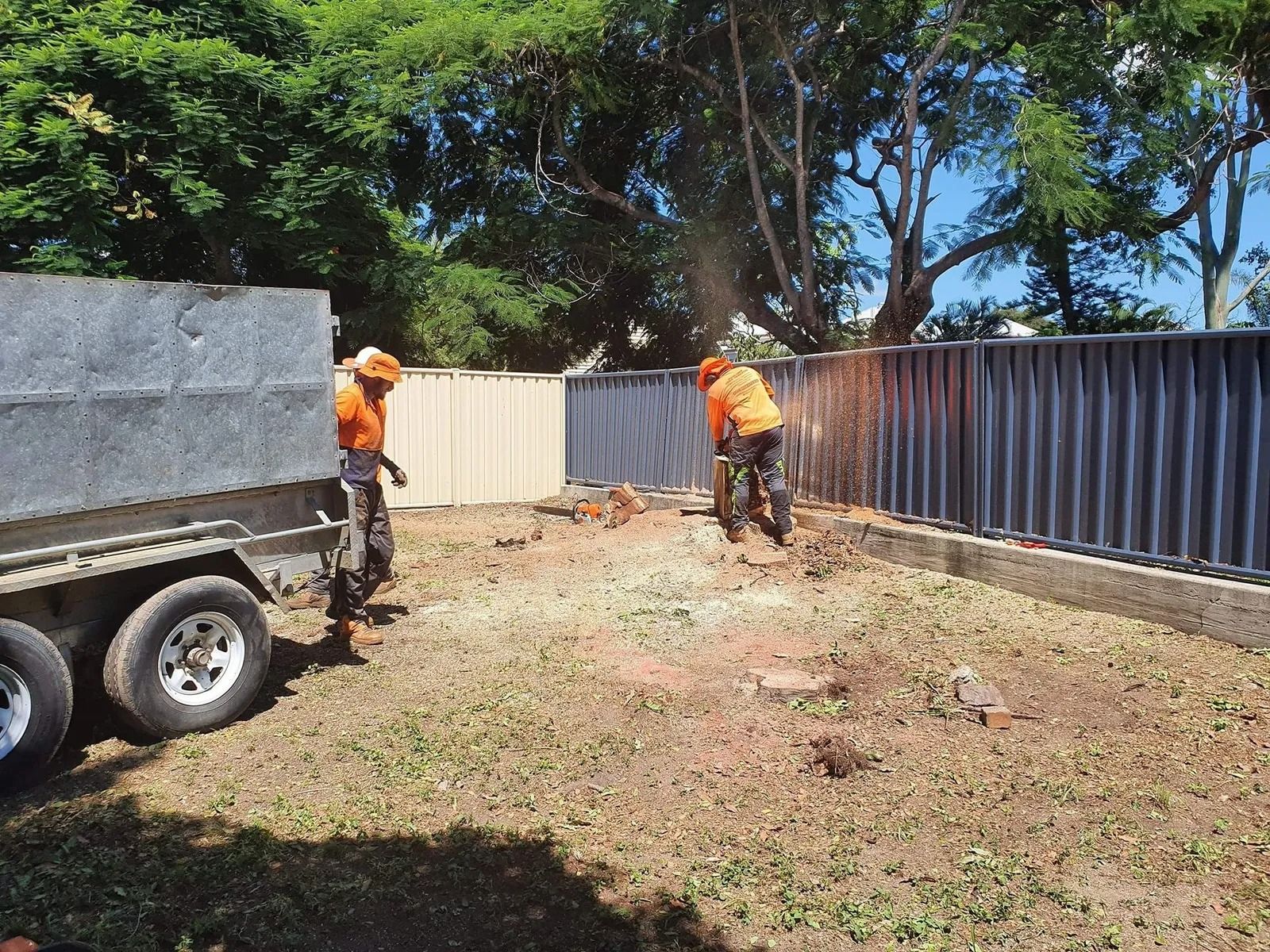
Once a tree is removed, the stump left behind can cause trip hazards, encourage regrowth or attract pests. Stump grinding eliminates these issues by reducing the stump to below-ground level, allowing the area to be restored or repurposed safely.


Arborists assess root spread, stump hardness and surrounding obstacles before grinding. This ensures safe operation and prevents damage to pathways, pipes or nearby structures. Stump grinding also prevents suckering and avoids the long waiting period associated with natural stump decay.


Benefits of stump grinding include:


  • Preventing unwanted regrowth.
  • Removing tripping hazards and obstacles.
  • Creating a clear space for future use.
  • Reducing pest attraction around old stumps.

8. Choosing the Right Tree Service: How Arborists Match the Method to the Issue

Professional arborists assess each tree individually before recommending pruning, trimming, reduction or removal. They consider the species, age, structural condition, growing environment and exposure to local weather patterns. Trees that thrive in Rockhampton’s climate still need tailored care, especially when exposed to seasonal storms or rapid summer growth.


Choosing the right service depends on your goals: maintaining health, improving safety, reducing size or addressing structural risks. A well-informed decision protects your property and ensures trees remain stable and attractive for years to come.


You may need tree services in Rockhampton when:


  • A tree’s growth is affecting safety or accessibility.
  • You notice structural problems or storm-related damage.
  • Large trees require seasonal maintenance.
  • You want expert guidance on the long-term health of your trees.


We at Barlows Tree Services understand how much Rockhampton’s climate affects the safety and lifespan of your trees. Our team provides reliable tree services in Rockhampton, including pruning, canopy reduction, hazard assessments, tree removal and stump grinding. To arrange a professional inspection tailored to local weather conditions and property needs, visit https://www.barlowstreeservices.com/ and speak with our experienced arborists today.