Tree Removal Rockhampton: The Step-by-Step Process for Safely Removing Large Trees
Removing a large tree is rarely a simple job. What might look like a straightforward cut from the outside often involves careful planning, specialised equipment and a methodical approach to ensure safety at every stage. For property owners dealing with oversized or hazardous trees, understanding the process can make the decision far more informed.
At the same time, knowing what happens behind the scenes helps set clear expectations. From the initial inspection through to final clean-up, every step plays a role in protecting people, structures and surrounding land. If you are exploring professional help for tree removal in Rockhampton, it is worth understanding how the process works from start to finish, including services like tree risk assessments that guide early decisions.
Why a professional site inspection is the first step in any large tree removal project
Before any cutting begins, we carry out a detailed inspection of the tree and its surroundings. This step allows us to identify structural weaknesses, environmental risks and logistical challenges that influence the entire removal process. It also ensures that no critical detail is overlooked before equipment is brought on site.
A proper assessment typically includes:
- Evaluating the tree’s health, including decay, cracks or deadwood
- Checking proximity to buildings, fences, powerlines or access points
- Assessing ground conditions and stability for equipment placement
- Identifying safe drop zones or the need for controlled dismantling
This early stage ensures that no assumptions are made. Instead, every decision is based on real conditions, allowing us to plan a removal that is both safe and efficient.
Understanding risk factors: What makes large trees dangerous to remove without planning
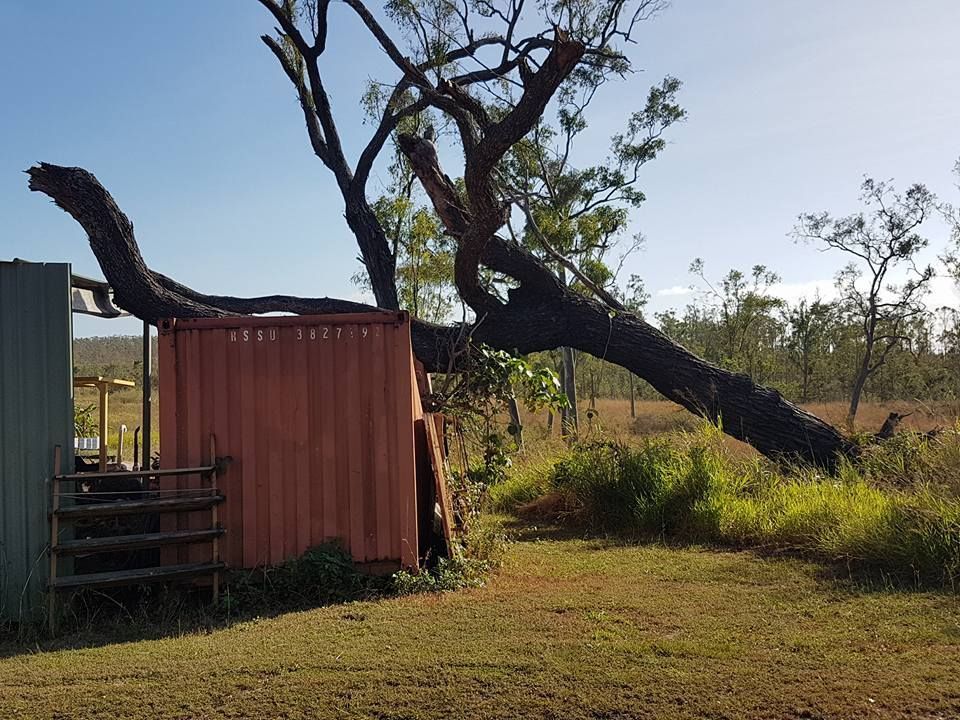
Large trees carry significant weight and unpredictability, especially when compromised by age or weather. Without proper planning, even a single cut can lead to uncontrolled movement or damage. This is particularly true when external conditions influence how the tree reacts during removal.
Some of the most common risks include:
- Heavy limbs that can fall unpredictably during cutting
- Structural weaknesses that are not visible from the ground
- Limited space that restricts safe falling directions
- External factors such as wind or uneven terrain
We approach each job by identifying these risks early. This allows us to apply the right techniques and safety controls rather than relying on guesswork or reactive decisions.
Permits and regulations: Navigating local requirements before cutting begins
Tree removal is not always as simple as deciding to proceed. In some cases, approvals or guidelines may apply depending on the tree’s size, species or location. Understanding these requirements early helps avoid unnecessary delays or complications once work is scheduled.
Our role often involves:
- Advising on whether permits or approvals are required
- Assisting with documentation or compliance steps
- Ensuring removal aligns with local standards and safety expectations
- Preventing delays caused by overlooked requirements
By addressing these considerations early, we help avoid complications that can disrupt timelines or lead to unnecessary setbacks during the removal process.
Preparing the site: How arborists set up for a controlled and safe removal process
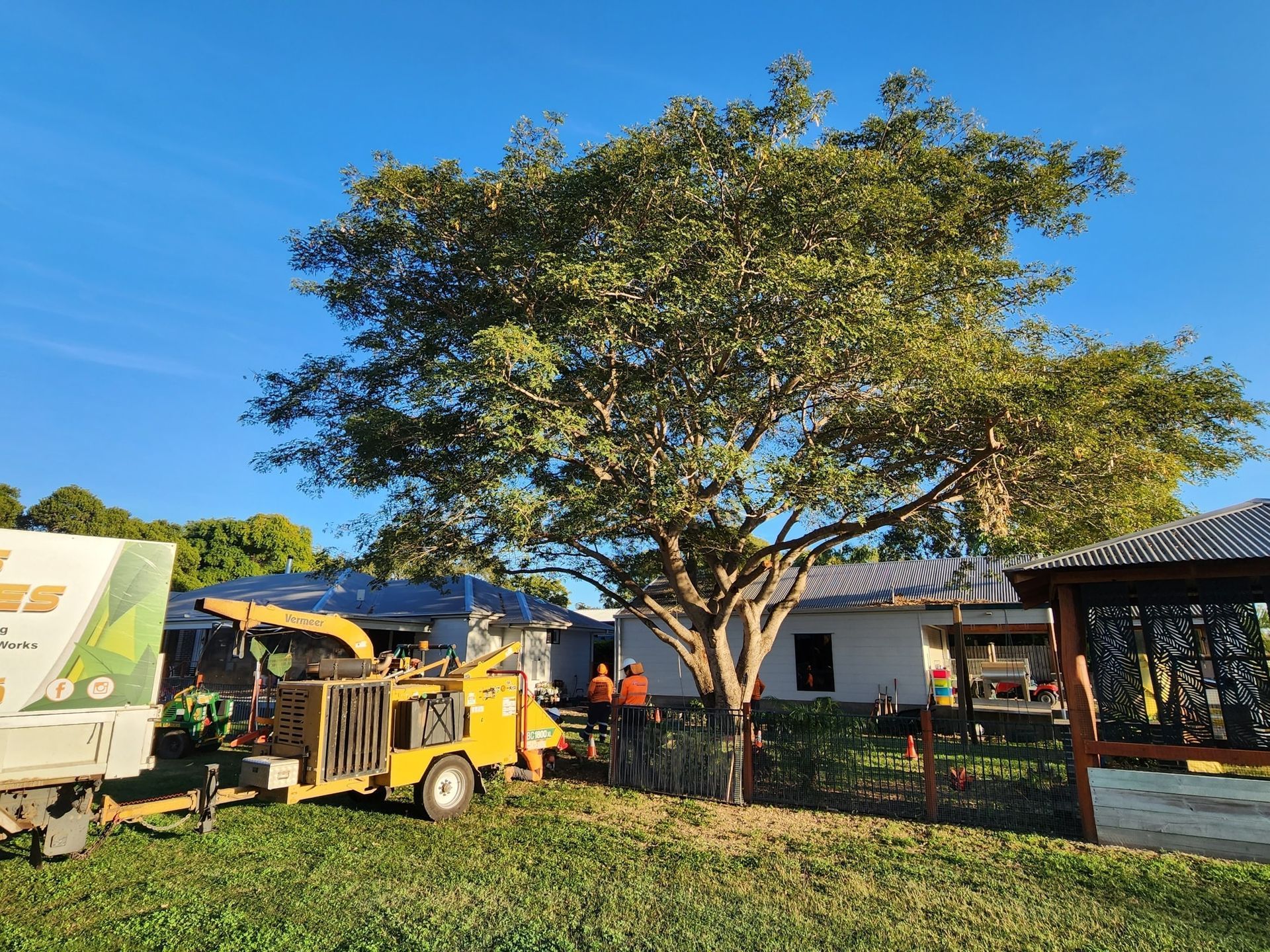
Once planning is complete, the next step is preparing the site for safe work. This stage ensures that everyone involved, as well as nearby property, is protected before removal begins. A well-prepared site also improves efficiency, allowing the team to work with clarity and control.
Preparation usually includes:
- Setting up exclusion zones to keep people at a safe distance
- Positioning equipment such as ropes, harnesses and machinery
- Establishing clear communication between team members
- Planning escape routes and contingency measures
This structured setup creates a controlled environment where each stage of the removal can proceed without unnecessary risk.
Climbing, rigging or machinery? Choosing the right removal method for each tree
No two trees are the same, which means the method of removal must be carefully selected. Depending on the tree’s size, condition and location, different techniques may be required to ensure both safety and efficiency.
We may use:
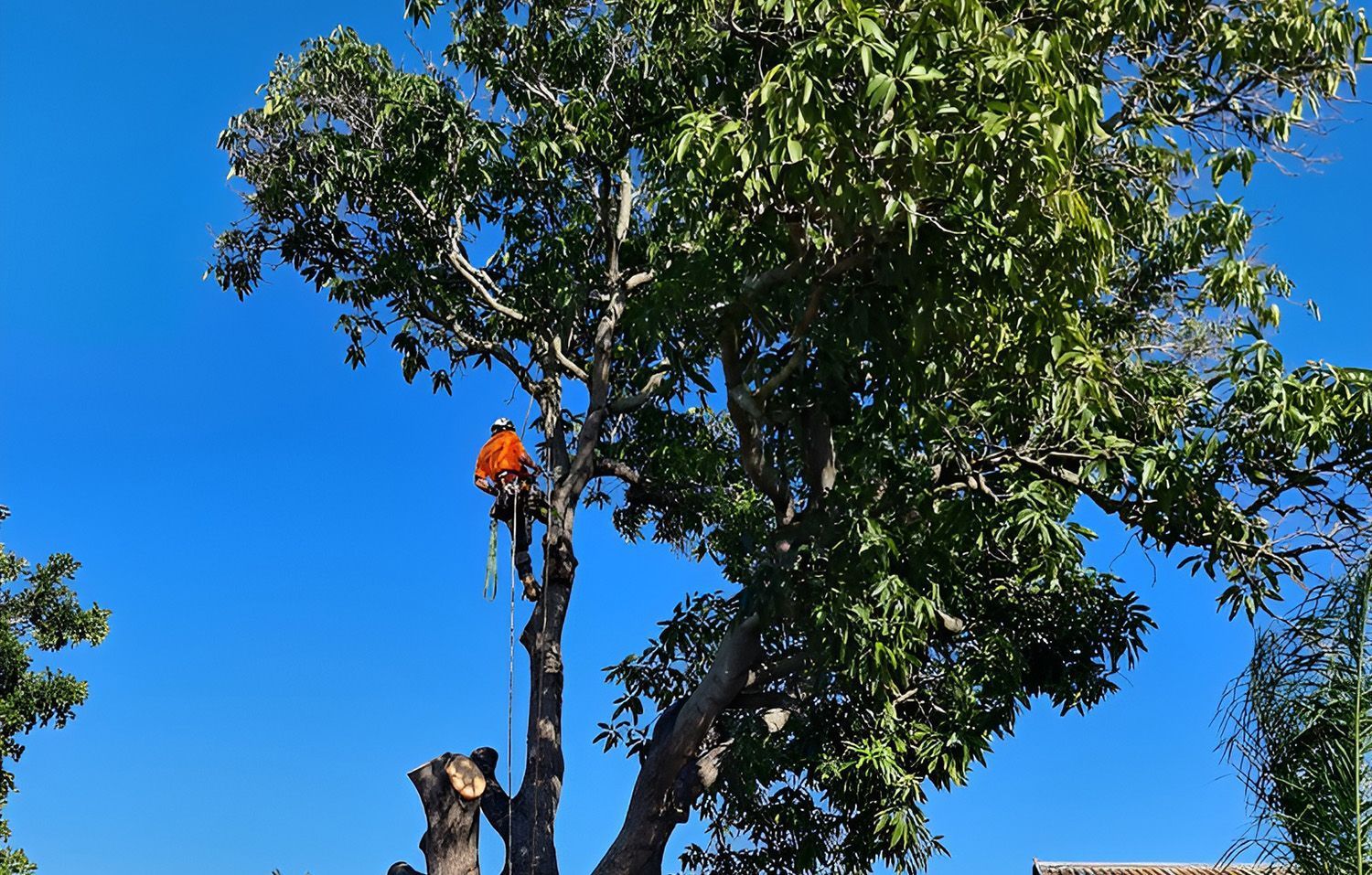
- Climbing methods for precision work in confined spaces
- Rigging systems to lower sections safely and avoid impact damage
- Elevated work platforms for improved access and visibility
- Machinery for larger, open areas where direct removal is possible
Selecting the right approach ensures the tree is removed efficiently while maintaining control at every stage and minimising disruption to the surrounding area.
Step-by-step dismantling: How large trees are carefully removed in sections
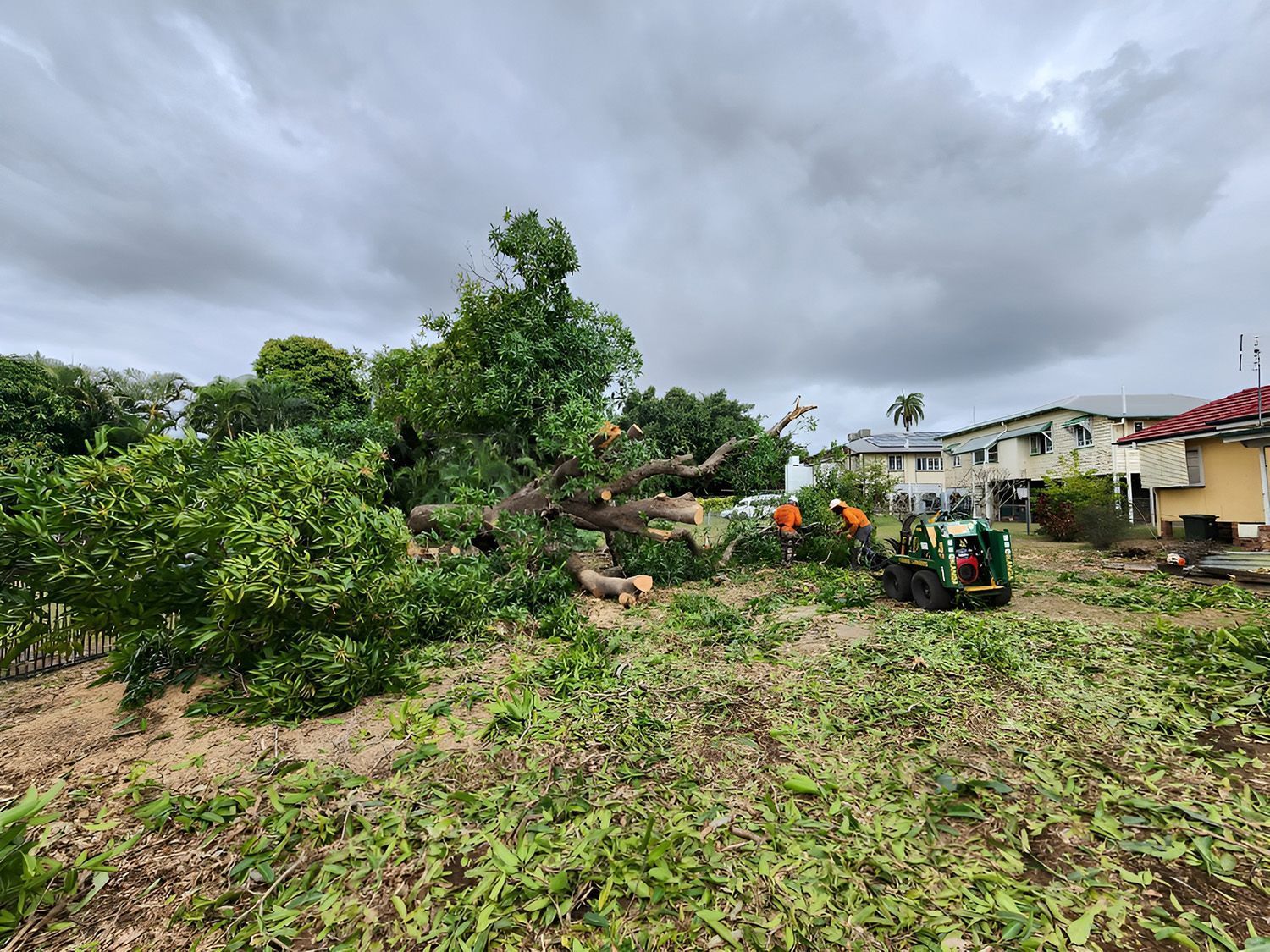
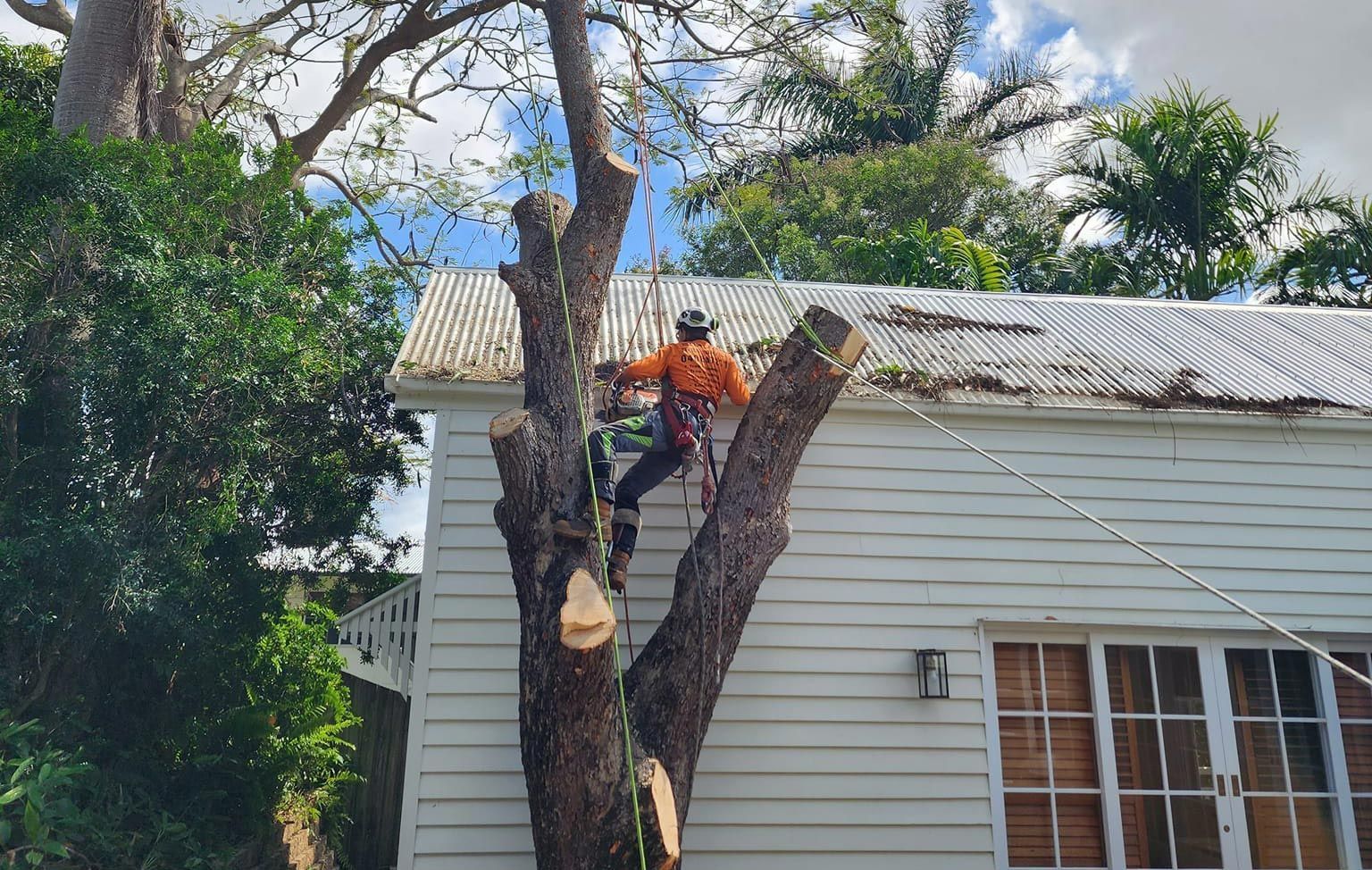
For large or high-risk trees, removal is rarely done in a single cut. Instead, we dismantle the tree in sections, working from the top down to maintain stability and control throughout the process.
This process typically involves:
- Removing smaller branches first to reduce weight and improve access
- Cutting larger limbs in controlled sections using rigging systems
- Lowering each piece carefully to prevent damage to surrounding areas
- Gradually working down the trunk until only the base remains
This staged approach allows for precision and control, ensuring that each part of the tree is handled safely while reducing the likelihood of unexpected movement.
Stump removal and site clearing: What happens after the tree is gone
Once the tree itself has been removed, attention turns to the remaining stump and debris. Leaving these behind can create hazards, attract pests or limit future use of the space.
Post-removal work may include:
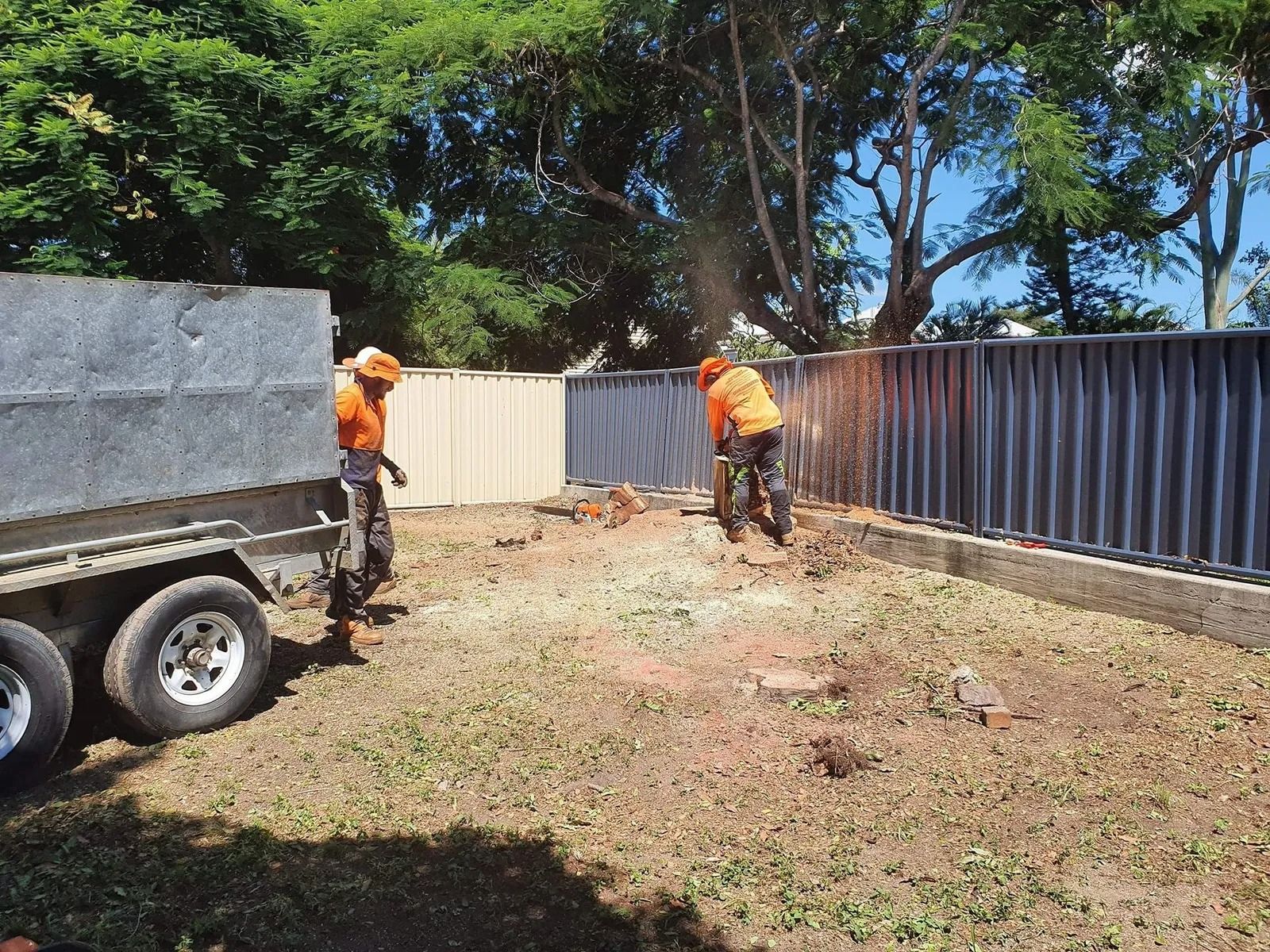
- Stump grinding to remove the base below ground level
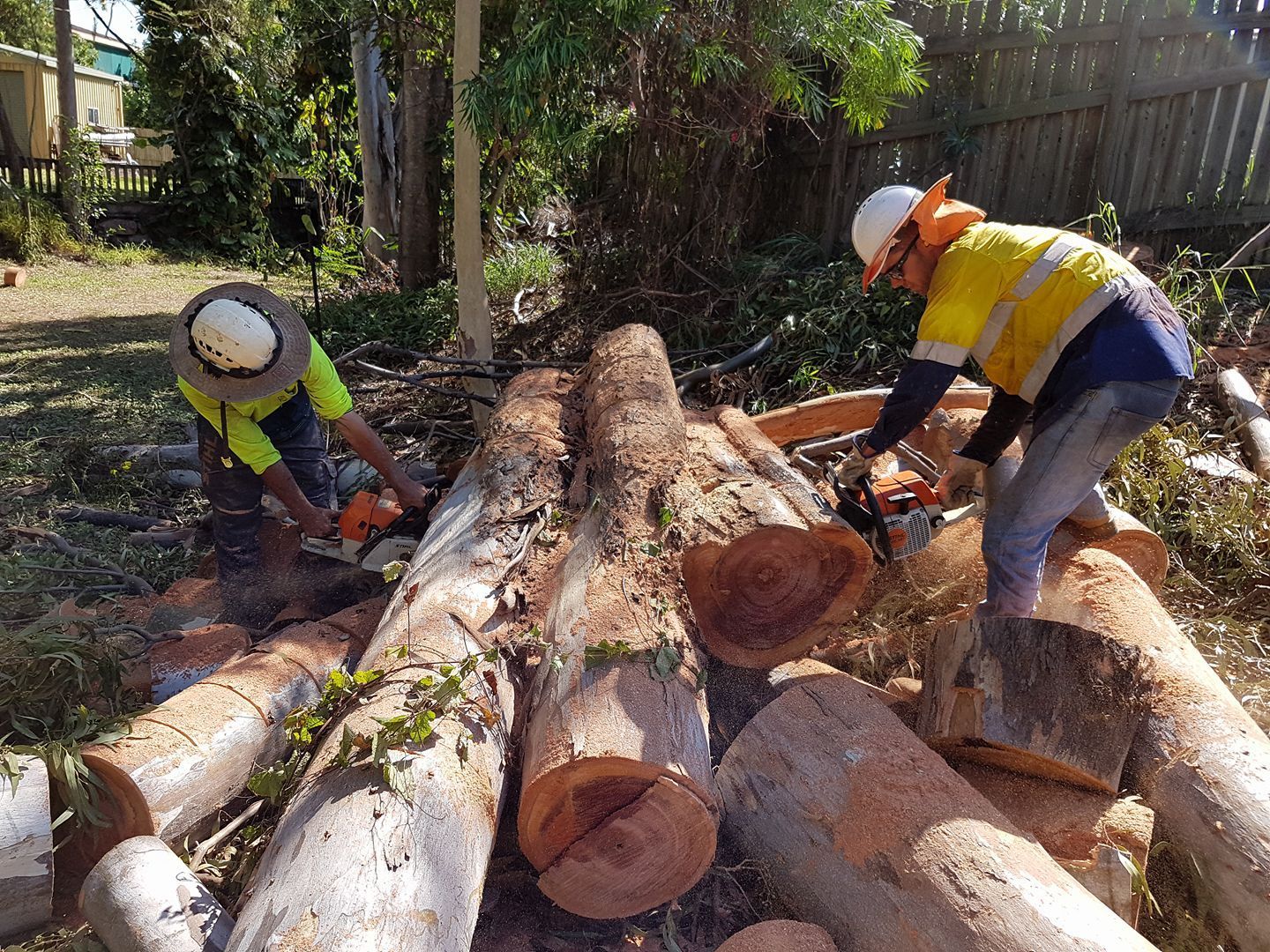
- Clearing branches, logs and debris from the site
- Preparing the area for future use or landscaping projects
- Recycling or disposing of materials responsibly
Our stump grinding services ensure that the job is completed thoroughly, leaving the site clear, usable and ready for its next purpose.
Final safety checks and ongoing advice to prevent future tree hazards
After the physical work is complete, we carry out final checks to ensure the site is safe and free from risks. This step also allows us to provide practical advice on managing nearby trees and preventing similar issues in the future.
We often provide:
- A final inspection to confirm all hazards have been addressed
- Advice on maintaining nearby trees to reduce future risks
- Recommendations for pruning or monitoring tree health
- Ongoing support through services like tree pruning and emergency tree removal
This final stage ensures that the property remains safe long after the removal is complete, giving property owners added peace of mind.
We at Barlows Tree Services understand that removing large trees in Rockhampton comes with unique challenges. The region’s intense heat, seasonal storms and cyclone risks all place added pressure on trees, increasing the likelihood of structural failure or hazardous conditions. Large established trees in the area can also present access and safety challenges that require careful planning and the right equipment.
If you are dealing with a large or high-risk tree, we are here to help guide you through every step of the process. Whether you need an inspection, safe removal or advice on ongoing tree management, we encourage you to
get in touch and take the next step with confidence.