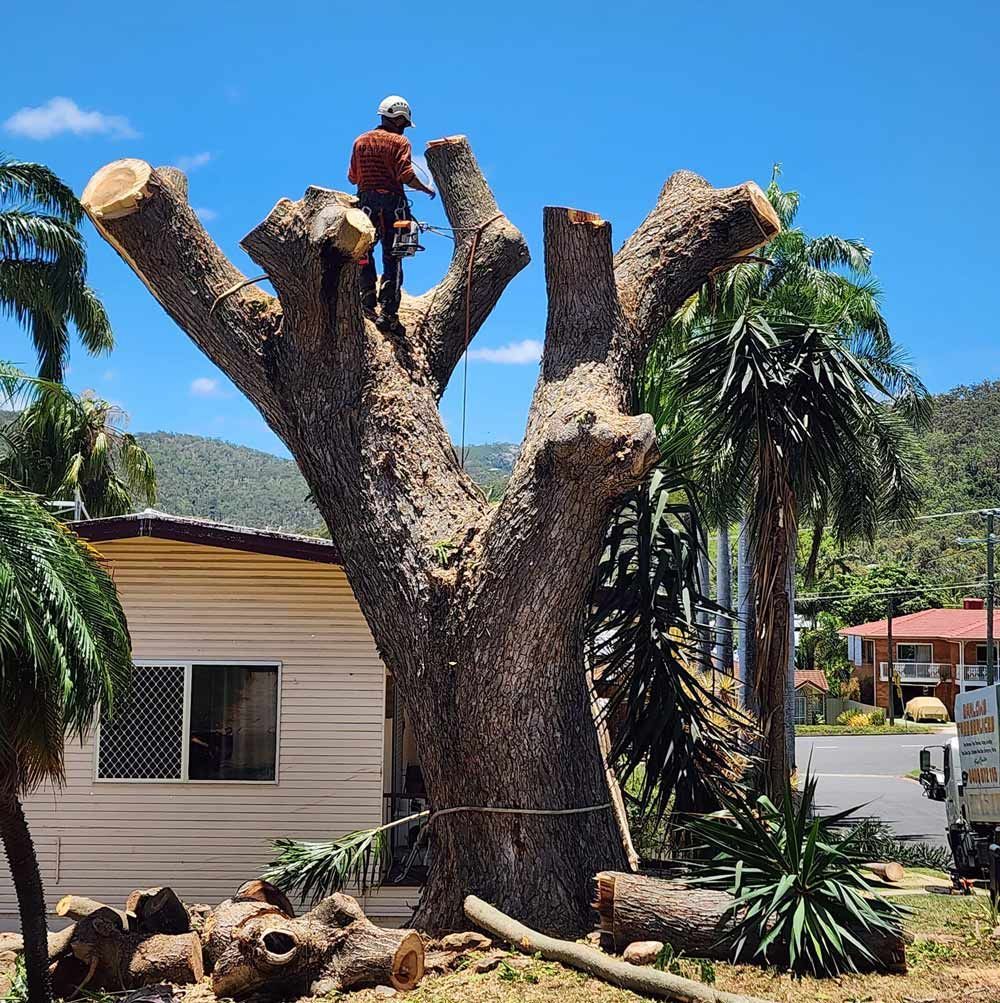
Rockhampton's storm season has a habit of catching people off guard. One night of heavy wind and rain is enough for a tree that's stood in the same spot for decades to suddenly end up lying across a fence, a carport or a driveway. Once the initial shock wears off, the practical question sets in: who actually pays to fix this?
It's a fair question. The answer depends on a few moving parts: who owned the tree, whether anyone knew it was a risk beforehand and what your insurance policy actually says about storm damage versus tree removal. Here's how it generally works, what homeowners should know before arranging removal, and when it's worth calling in
tree services in Rockhampton to assess the damage properly.
How Tree Ownership Affects Liability
The starting point in most disputes is ownership. Whoever's property the tree was rooted in is generally considered responsible for it under common law, regardless of which way the branches happened to lean.
Here's the basic breakdown:
- If a tree on your own property falls and damages your shed, fence or car, that's typically a matter for your own home insurance policy.
- If it falls onto a neighbour's property, liability can shift depending on whether the tree was healthy or already showing signs of decline.
- A tree owner can be held liable if they knew, or reasonably should have known, the tree was diseased, dead or unstable before it came down.
This is one of the reasons "who pays for a neighbour's fallen tree" doesn't have a single answer. It comes down to what was known about the tree's condition beforehand.
Who Is Liable for Fallen Tree Damage: Negligence vs Genuine Storm Damage
Insurers and courts draw a clear line between damage caused by a genuinely unpredictable storm and damage caused by a tree that should have been dealt with earlier. If there were visible warning signs and nothing was done, that changes the liability picture.
A few things tend to tip the scales towards negligence:
- A prior complaint from a neighbour about an overhanging or concerning tree can support a negligence claim.
- Council notices or earlier arborist reports recommending pruning or removal are often used as evidence.
- A documented maintenance history can work in an owner's favour by showing reasonable care was taken.
If the tree came down solely due to extreme wind, with no prior indication that it posed a risk, liability usually lies with the weather event itself rather than the owner. It's a distinction that comes up often in Rockhampton, where storm cells can develop quickly and without much warning.
Rockhampton Council Trees and Public Liability
Not every fallen tree is on private land. Street trees and those on public reserves fall under council responsibility. In this case, the process for dealing with damage is a bit different.
Worth knowing if it's a council tree:
- Claims involving council-owned trees are generally handled through the council's public liability insurance.
- Councils usually need to have been notified of a hazardous tree, with a reasonable chance to act, before liability can be established.
- Photos and written correspondence with the council about a tree's condition can support a claim if it later causes damage.
These claims tend to take longer to resolve, so documenting the tree's condition early is worth doing.
Who Pays for a Fallen Tree in Rockhampton: What QLD Home Insurance Actually Covers
This is where a lot of confusion comes in. Most Queensland home insurance policies will cover the damage a fallen tree causes, such as roof damage, a crushed fence or a damaged carport, but the cost of removing the tree itself is treated separately. Rockhampton homeowners are often surprised to learn these are assessed as two different things.
Here's how that usually plays out:
- Damage to structures caused by a falling tree during a storm event is commonly covered under standard home insurance.
- Removing the tree itself is often excluded, unless it's blocking access to your home or driveway, in which case many policies will cover removal up to a set limit.
- If the tree was already known to be hazardous and nothing was done about it, insurers may decline the claim altogether.
It's worth checking your own policy wording on this point specifically, since "storm damage" and "tree removal" are often treated as two separate line items, not one combined payout.
The Role of a Professional Arborist Report
When there's a dispute over liability, an independent arborist assessment is often the deciding factor. These reports look at the tree's condition, the likely cause of failure and whether there were prior signs of risk.
What that report typically covers:
- An assessment can determine whether failure was due to disease, root damage, structural weakness or a genuinely unforeseeable weather event.
- Insurers frequently request this kind of documentation before processing a fallen tree insurance claim.
- The same assessment can flag whether other trees nearby carry a similar risk, which is useful heading into the next storm season.
Getting this done soon after an incident, while the evidence is still clear, tends to make the claims process a lot smoother for Rockhampton homeowners dealing with an insurer.
Emergency Tree Removal in Rockhampton: What Happens First
Before any liability conversation, safety comes first. A tree resting against a roof, blocking a driveway, or tangled near power lines needs to be dealt with promptly, regardless of who ends up paying.
A few things to keep in mind in the meantime:
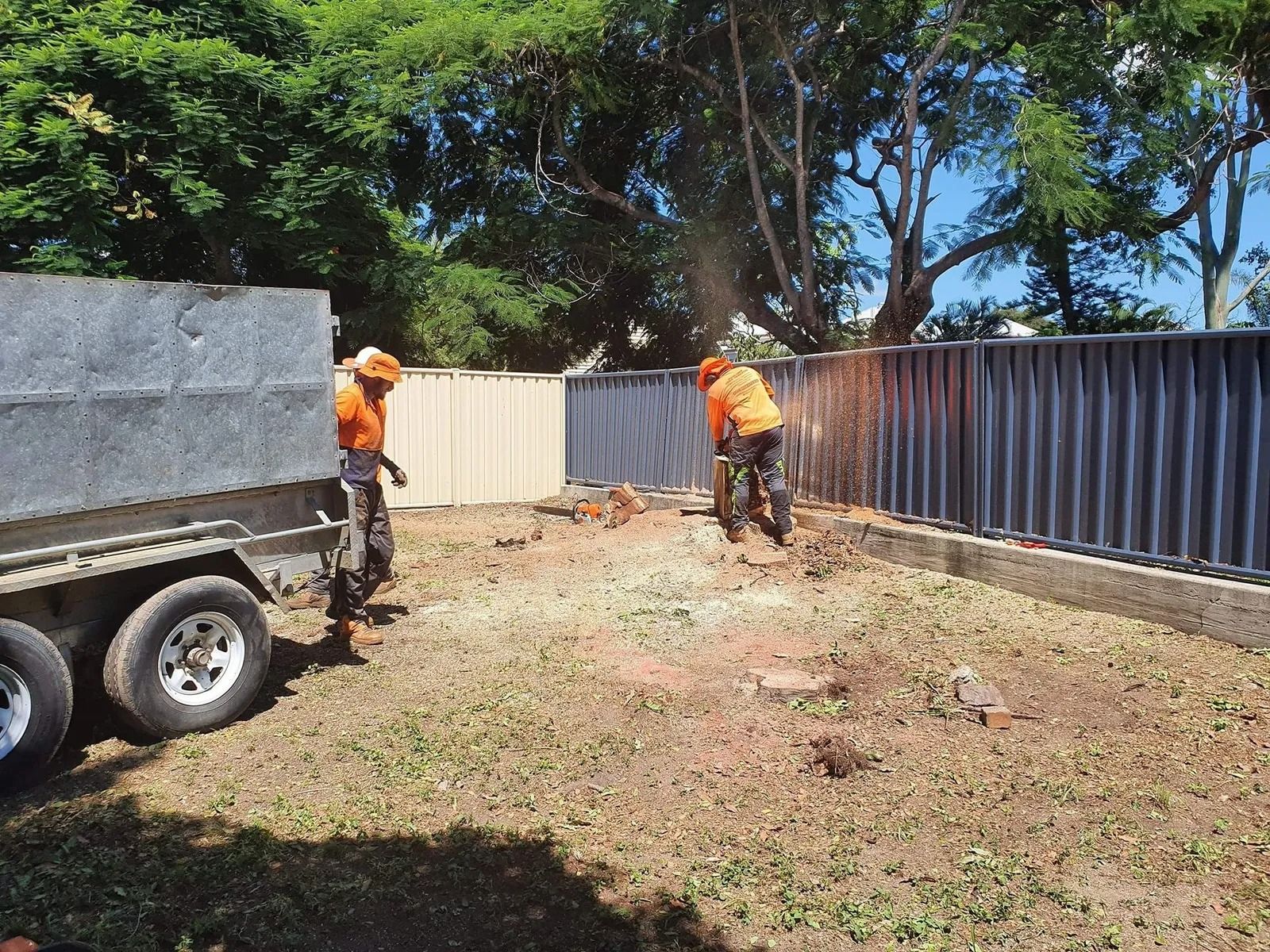
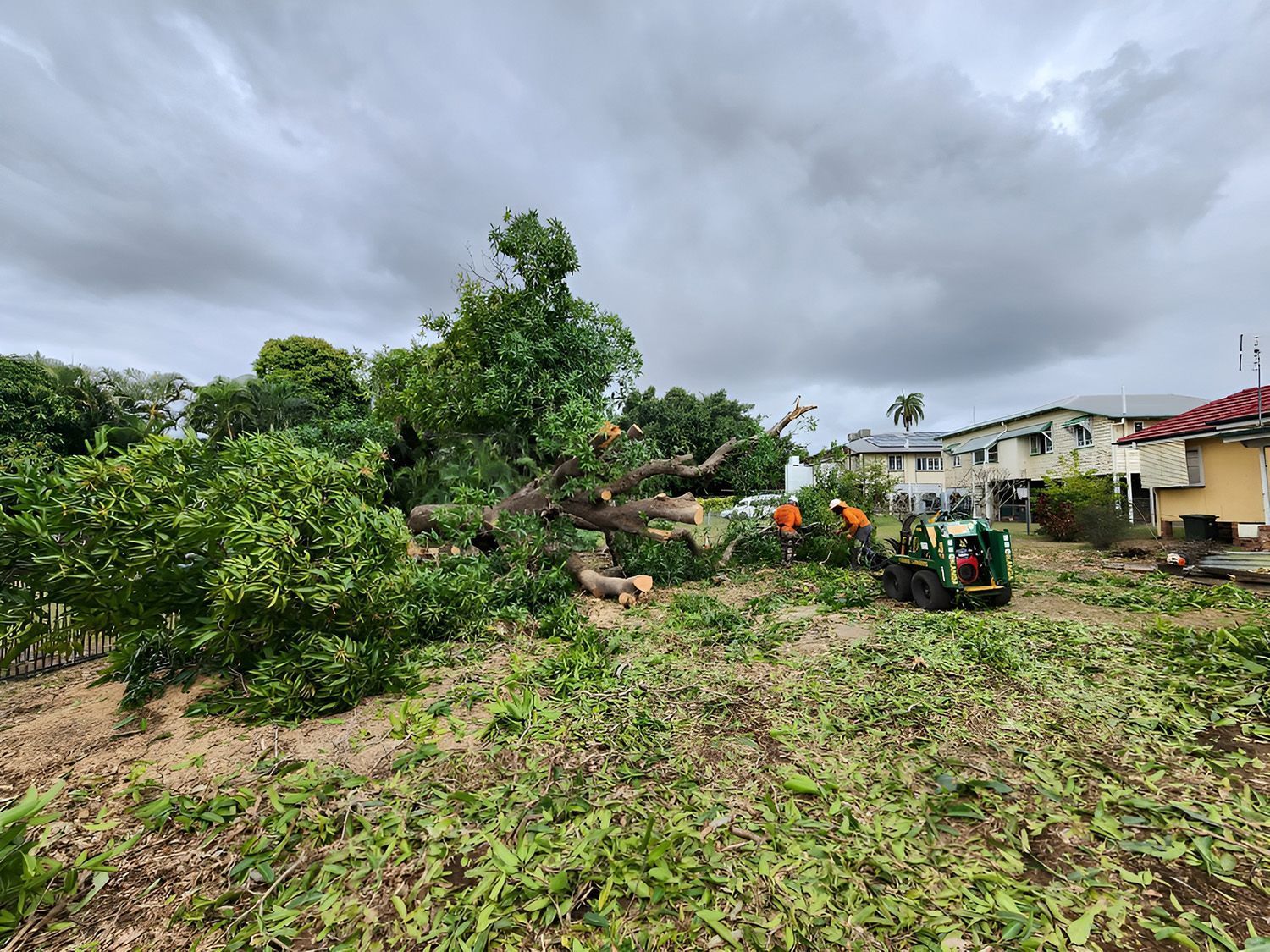
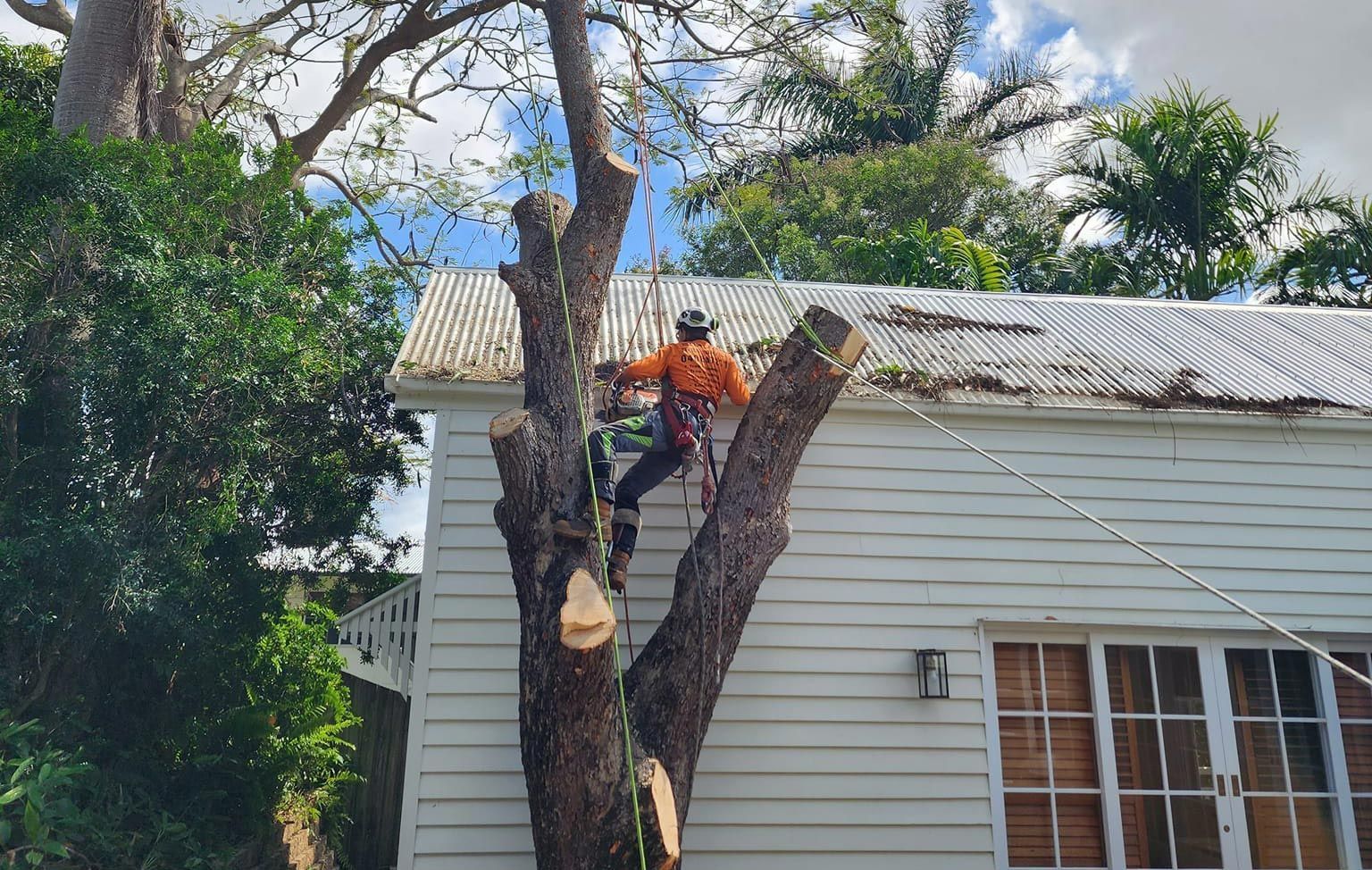
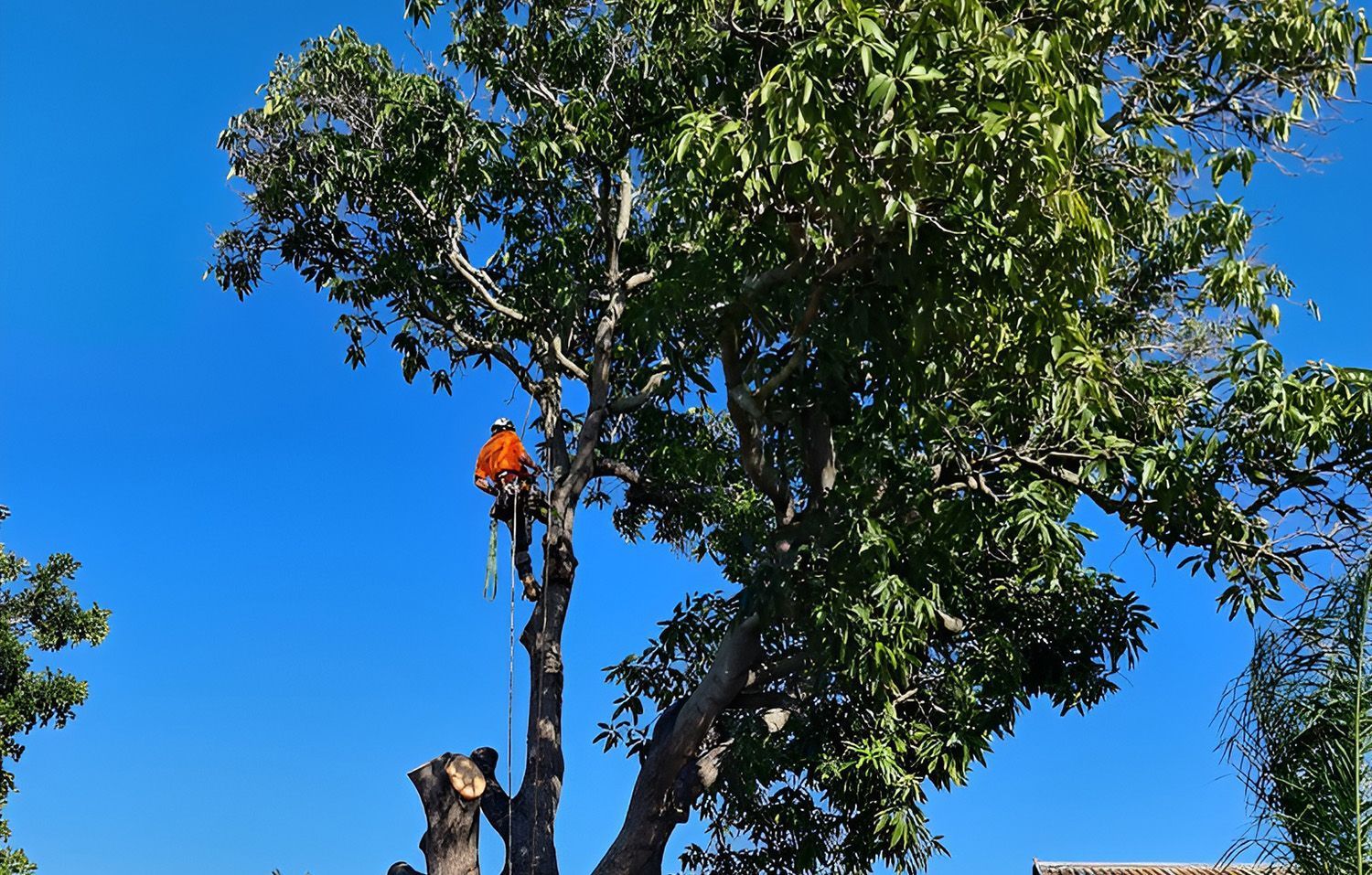
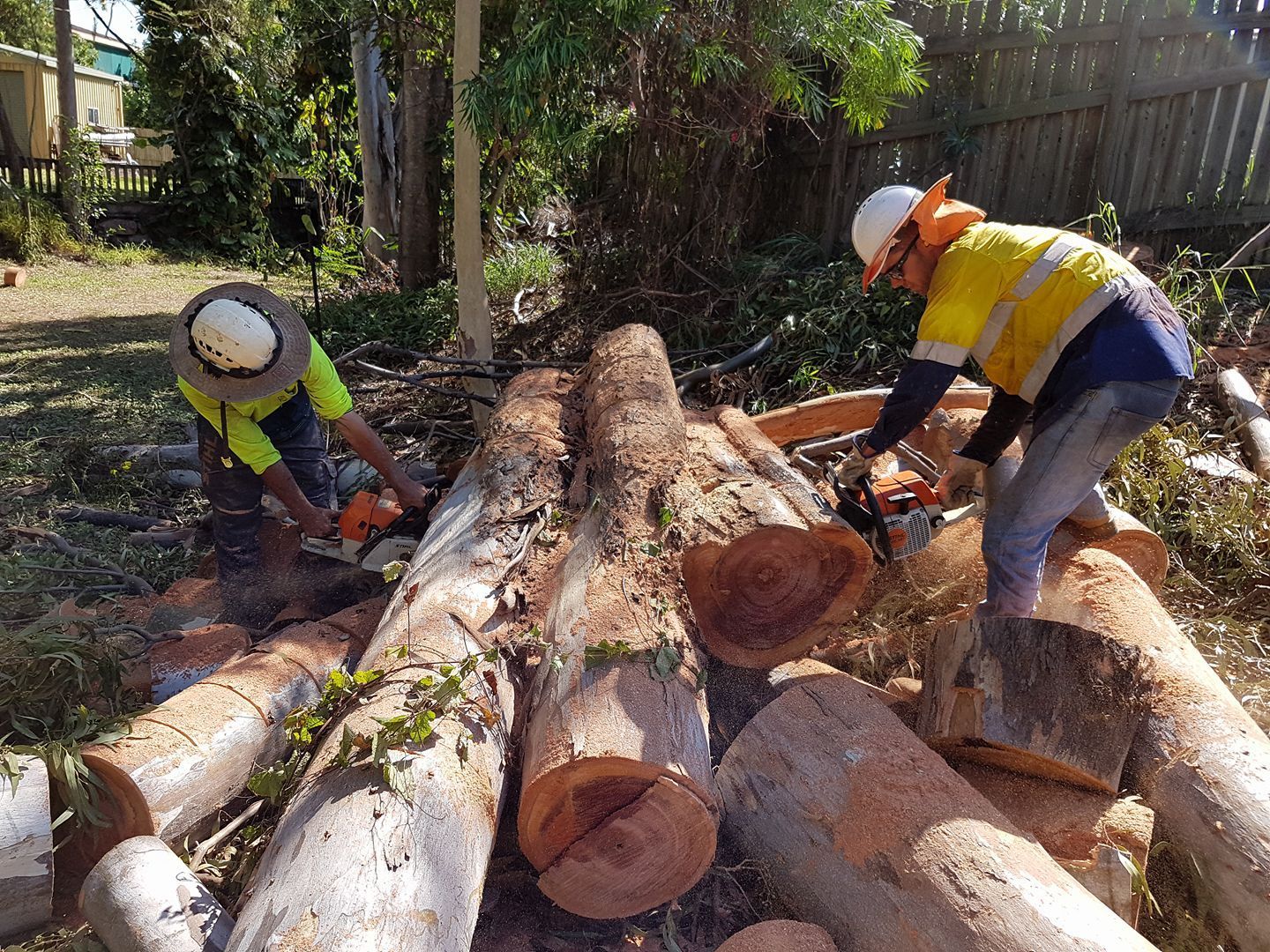
- If a storm-damaged tree has come down on your property, our team handles
storm-damaged tree removal in Rockhampton safely and quickly, even when access is tight.
- Photos of the tree, the damage and the surrounding area should be taken before clean-up begins, wherever it's safe to do so.
- Debris is generally best left in place until your insurer has had a chance to inspect, unless it's an immediate safety hazard.
If you need
emergency tree removal in Rockhampton right now, get in touch with your local team and they will assess the situation the same day, where possible.
Reducing the Risk Before the Next Storm
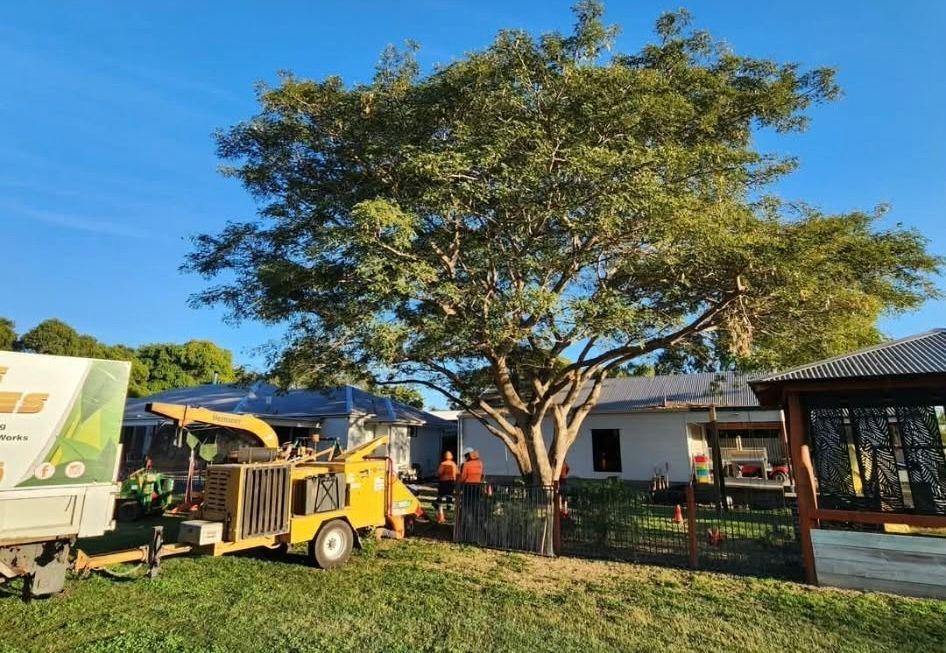
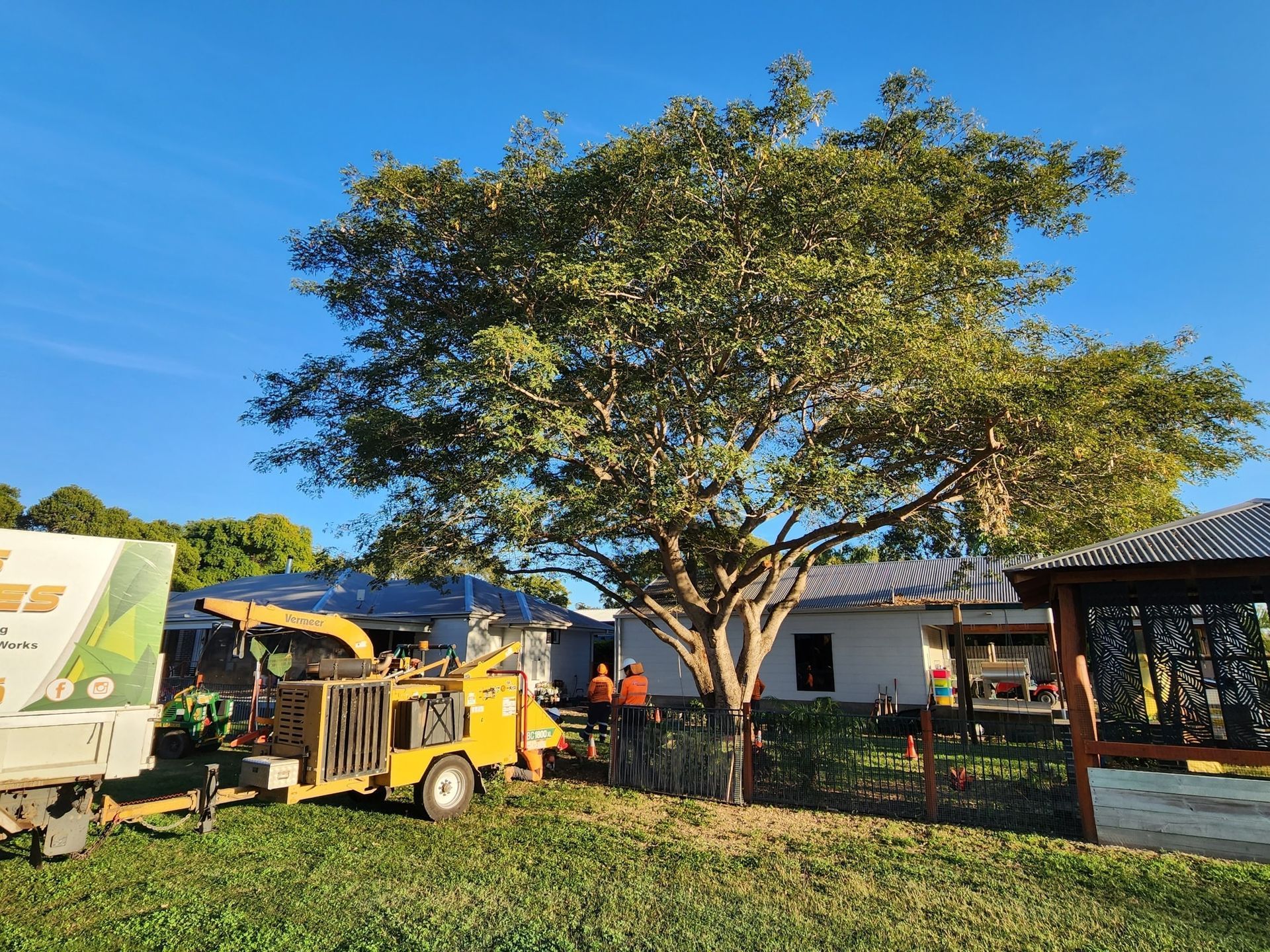
A lot of these disputes could have been avoided with earlier attention. Regular tree maintenance lowers the chance of failure in the first place. It also gives you a documented history if something does go wrong later.
Small things that make a real difference:
- Pruning dead or overextended limbs reduces the load a tree carries in high wind.
- Root inspections can pick up on decay or instability that isn't obvious from ground level.
- Removing a tree that's clearly past saving is often more cost-effective long-term than repeated storm damage claims.
Before storm season hits Rockhampton again, it's worth reading
how tree services can help prevent storm damage so you're not caught out a second time.
What Rockhampton Homeowners Should Do Once the Damage Is Done
Once the immediate danger has passed, a clear sequence of steps helps establish the facts and keeps any claim moving.
Here's the order most people find works best:
- Contact your insurer promptly with photos and a description of what happened.
- Hold off on permanent repairs until your insurer has confirmed the next steps.
- Arrange a professional inspection of the fallen tree and any remaining trees nearby that might pose a similar risk.
- Keep a record of all correspondence, particularly if the tree wasn't on your own property.
Working through these in order generally keeps disputes from dragging on longer than they need to.
We at
Barlows Tree Services provide tree services in Rockhampton to help homeowners work out exactly this: who's likely responsible, what your insurer will expect to see and what needs to happen on the ground before the next storm rolls through. If a tree's come down on your property or you'd like an assessment done before storm season builds up again,
get in touch with our team. For more storm prep and tree care advice, check out
our blog.